

Share this article


Understanding Cloud Computing & AWS
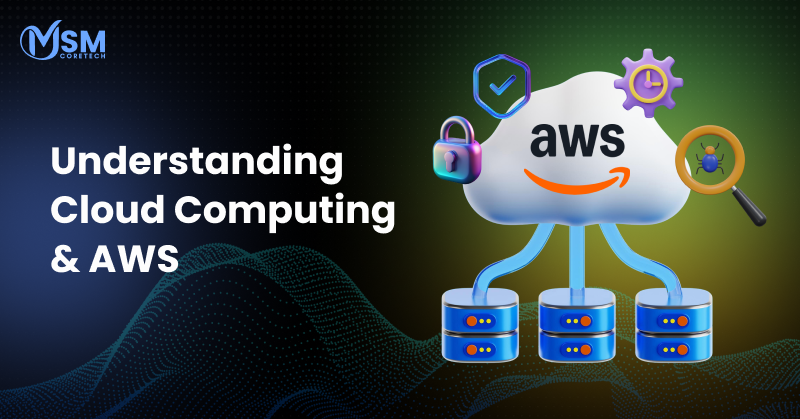
Cloud computing is widely used by businesses for storing their data. It also offers great help in data recovery and software development. For instance, the healthcare sector uses cloud services for creating more personalised treatments for patients. Financial institutions are using the cloud for real-time fraud detection.
Amazon introduced its web service platform AWS in 2006 to help organisations in avoiding high cost in managing their servers. Moreover, it was a cloud platform that allowed businesses and people to use IT services like servers and databases with the internet from any location.
This innovation eliminated the need of managing physical desktops and their storages. From big MNCs to startups like Netflix, NASA and Airbnb, AWS is widely adopted because of its secure and scalable functionality. Additionally, learning about its pillar is very necessary to avail best results possible, as they help architects in making more informed decisions.
About 67% of Indian organisations have shifted their applications to cloud, navigating strong AWS-era adoption and with digital transformation.
This blog aims to examine the core pillars of AWS, helping users in determining the essential cloud computing concepts for effective business growth.
Six Pillars Amazon Web Services
Pillar 1: Security – Protecting Your Data
In cloud computing, security plays a vital role in navigating data protection challenges. AWS automatically acts like a security pillar in the well-designed framework. Moreover, it offers advanced approaches for safeguarding data from possible branches. This includes strategies like threat detection, data encryption and identity management.
Key components –
- Data encryptionCloud data protection with advanced encryption processes such as AWS key management services. It ensures the data is intercepted effectively but can readable only through proper keys.
- Threat detectionUtilising tools like AWS GuardDuty to analyse unusual activities. This proactive method helps in identifying threats early with instant resolutions.
- Identity and access managementManaging the access of resources, cloud security services, and their actions is essential for effective cloud security. AWS powered IAM tool provides effective control over data user permissions, ensuring access when it is needed.
Pillar 2: Operational excellency – Implementing Efficiency and Agility
Operational excellence focuses on optimising the cloud infrastructure while constantly identifying new methods to improve with effective cloud storage solutions. Moreover, this fosters precise management of cloud operations, with focus on automation and monitoring.
Key components –
- Automation of processesAmazon automation tools like AWS Lambda and AWS steep function provide increased efficiency while lowering the chances of human error.
- Tracking and alertingAmazon CloudWatch help in tracking the resource usage and performance that help in acknowledging potential issues before they become big̣.
- Constant enhancementsRegular monitoring of operations and processes to explore areas that can be improved. This can include implementation of DevOps operations, where collaboration and automation are very necessary for seamless performance.
Pillar 3: Reliability – Optimized Resilience and Continuity
Reliability helps in making sure that the cloud infrastructure can face disruptions and function with continuity as expected for more enhanced performance. Moreover, this factor provides best cloud scalability because of its resilience.
Key components –
- Tolerance and resistabilityDeveloping systems with effective restoring components to overcome single point failures. Services like Elastic Load Balancing and Amazon RDS offer built-in cloud elasticity.
- ScalabityBuilding advanced systems that can tackle varying load effectively with any compromisation in quality. Amazon cloud scalability services help you to scale resources up or down according to the required demand.
- Recovery strategiesInnovate a disaster recovery strategy for quick and easy recovery from failures. Tools like AWS backup and Amazon S3 versioning are very useful for effective data recovery.
Pillar 4: Performance efficiency – Increasing Resource Utilisation
Efficiency in performance helps in focusing on integrating cloud resources in the best way possible with maximum output with serverless computing. Additionally, this approach helps in selecting the suitable resources and enhancing their usage.
Key components –
- Resource selection Selecting the perfectly aligned computing instances with effective storage and databases for your designed workload. In addition, Amazon powered cloud systems offer different types of instances that allow you to select one of the best fits.
- Performance trackingMonitoring performance of the system by utilising tools like Amazon CloudWatch to examine bottlenecks in the system with effective utilisation of resources.
- Regular optimizationConstantly reviewing the system performance with integrating necessary adjustments to enhance efficiency of AWS serverless computing. In addition, this AWS trusted advisor offers suggestions for precise optimization.
Pillar 5: Cost optimization – Developing Financial Efficiency
Cloud cost optimization helps in ensuring that you are making expanses in your cloud wisely. Moreover, this approach helps identify unnecessary cost while maintaining scalability and performance of the system.
Key components –
- Resource optimizationAcknowledging utilisation of resources and scaling them down help in developing robust performance of the system. However, Amazon trusted advisors help in assessing resources that are costing more than expected.
- Cost analysisIntegrating cost-effective cloud solutions like AWS cost analyzer for tacking the expenditures and setting cost consideration. This helps you in handling your cloud budget effectively.
- Savings plan and reversed instancesAvailing benefits of cost saving options like savings plans to decrease the cost in the long run. This helps in developing an advanced cost optimization approach for achieving better results and performance of the cloud system.
Pillar 6: Sustainability – Emphasizing Environmental Responsibility
Sustainability helps in lowering the impact of cloud infrastructure on the environment. This approach leverages the importance of using energy efficient practices with proper resource utilisation.
Key components –
- Energy-efficient architectureDeveloping an AWS managed database that consumes less energy, this includes integration efficient hardware with selection of energy efficient geographic regions.
- Resource optimizationUtilising resources according to need and eliminating unnecessary resources can help in decreasing their energy consumption significantly. However, auto-scailing helps with this by automating resource utilisation.
- Environmental impact resolutionImplementing strategies that lower waste and promote sustainability is a key function that promotes effective sustainability. Cloud database works precisely towards achieving sustainability goals, helping you in aligning with a greener cloud strategy.
Why the Six AWS Pillars Are Critical for Successful Cloud Design?
The above six pillars – security, operational excellence, reliability and performance efficacy with sustainability and effective cloud cost optimization help in leveraging the foundation of modern AWS computing. In addition, it also guides organisations in developing systems that are scalable and ready to cater the future demand.
Moreover, these pillars allow companies to overcome pitfalls with empowering cloud security, enhancing the overall application performance. These factors allow companies to innovate solutions faster while maintaining sustainability.
Overall Importance of the AWS Six Pillars
| Key factor | Function |
| Comprehensive approach | Covering all the necessary elements of the cloud database, for better scalability and cloud data security are not neglected. |
| Risk mitigation | Lowers the chances of system failures by acknowledging weak points early by emphasising cloud security and functioning standards. |
| Informed decision-making | Leveragee’s structured AWS database to explore the infrastructural choice and clarity. |
| Business value | Cloud computing services best aligns with business goals by enhancing the performance while maintaining cost effectiveness. |
| Constant enhancements | Empowers regular refinement so the workloads can remain resilient and effective for the future cloud demands. |
Key Trends in AWS Cloud Computing
AWS powered cloud computing is constantly evolving with the introduction of new and advanced tech solutions making cloud more prominent. In addition, all these innovations are driven by constant innovation and strategic partner ecosystems.
Implementing artificial intelligence and machine learning tools like Bedrock, SageMaker for enhancing automation and cloud storage solutions. Additionally, transferring focus to Zero Trust models with AI powered cloud security will allow identification of fortified environments.
However, pushing the AWS database for renewable energy to the source for lower latency and crucial IOT function in retail with real-time monitoring. Offering access to quantum commuting through services like AWS Bracket for heavy performance and robust cloud data security.
AWS Cloud Computing (Conclusion)
Effectively using the core pillars of AWS is very necessary for making your business resilient and secure in the digital world. Moreover, as organisations are increasingly depending on enhanced cloud storage solutions. Determining the core functioning of each pillar helps businesses in building scalable functions with reduced operational costs.
However, these six pillars offer a practical approach for attaining long-term success, allowing applications to remain sustainable in harsh environments. Whether you are aiming to optimise your existing system or aiming to develop new ones, these factors can help in empowering every fiction of the cloud strategy.
MSM CoreTech Innovations help businesses in leveraging effective cloud computing with professional assistance. We aim to provide advanced security and cloud scalability features that help your business in achieving the digital transformation needed for long-term success.

Related Posts

The Rise of Hybrid and Multi-Cloud Environments: What It Means for Migration
Cloud computing has transformed how businesses manage, store, and process data, providing a flexible and economical cloud computing ecosystem. However,...
Read More
Sustainability and Green Computing in Cloud Migration
Cloud migration strategy is a method of transferring data and applications on other platforms from on-premise infrastructure to cloud environment....
Read More
AI-Driven Cloud Migration: How Artificial Intelligence is Transforming the Process
In this digitally evolving world innovation and adaptability are essential requirements of a business. Therefore, the business community is shifting...
Read More


 Verified Review




 +44 7427829444
 71-75, Shelton Street, Covent Garden, London, United Kingdom, WC2H 9JQ