

Share this article


How Much Does Web Design Cost in Australia in 2026?
Understanding the Web Design Cost in Australia in 2026 can feel confusing, especially if you are starting your first website or planning to upgrade an existing one. Prices can vary widely depending on your business needs, the type of website, and the professionals you hire. Some websites may cost just a few hundred dollars, while others can go beyond $50,000 or more.
The reason for this wide price range is simple: not all websites are the same. A basic blog or small business website requires fewer features and less time, while an advanced eCommerce platform or custom-built solution involves more design, development, and testing. Additionally, factors like user experience, mobile responsiveness, SEO optimization, and integrations also impact the overall cost.
In this guide, we will break down everything you need to know about website pricing in Australia. From market trends to detailed cost breakdowns, and from hidden expenses to cost-saving tips, this article will help you make smarter decisions. Whether you are a startup, small business owner, or large enterprise, you will get a clear idea of what to expect when planning your website budget in 2026.
Quick Overview: Web Design Cost in Australia (2026)
| Website Type | Estimated Cost (AUD) | Best For | Timeline |
|---|---|---|---|
| Basic Website | $500 – $3,000 | Individuals, portfolios | 1 – 3 weeks |
| Small Business Website | $3,000 – $10,000 | Local businesses, startups | 2 – 6 weeks |
| eCommerce Website | $5,000 – $30,000 | Online stores | 4 – 10 weeks |
| Custom Website | $10,000 – $50,000+ | Growing businesses | 6 – 16 weeks |
| Enterprise Website | $50,000+ | Large companies | 3 – 6+ months |
Market Stats: Web Design Industry in Australia (2026)
The web design and development industry is experiencing strong growth in 2026. This is because of the huge digital investment mainly among SMEs, especially in Australia. Moreover, a research report shows that the global web design market size was estimated at US$61.23 billion in 2025. Additionally, it is expected to reach USD 92.06 billion by 2030, at a CAGR of 8.5% during the forecast period (2025-2030).
- It is growing at the compound annual growth rate of 8.5% during the period between 2026 and 2030.
- The web design market growth is influenced by the rising importance of online presence, E-commerce growth, mobile-first sites, and increased focus on web design.

Also Read: AI Tools Every Android Developer
What Affects Website Design Cost?
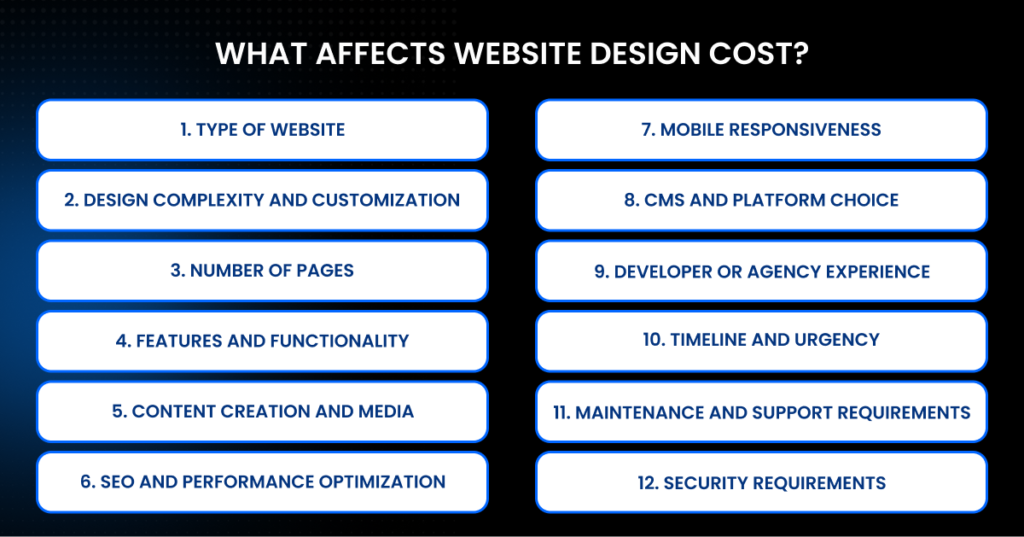
The Web Design Cost in Australia is not fixed because every website is different. The final price depends on multiple factors, including design complexity, features, and the level of expertise required. Understanding these factors will help you plan your budget more accurately and avoid unexpected expenses.
1. Type of Website
The type of website you need plays a major role in determining the cost. A simple informational website with a few pages is much cheaper than a complex e-commerce store or a custom web application. For example, a portfolio or blog requires minimal functionality, while an online store needs product pages, payment gateways, and inventory systems.
2. Design Complexity and Customization
A basic template-based design costs less because it uses pre-built layouts. However, if you want a fully custom design with unique branding, animations, and interactive elements, the cost will increase. Custom designs require more time, creativity, and expertise from designers.
3. Number of Pages
The more pages your website has, the higher the cost. Each page needs to be designed, developed, and optimized. A 5-page website will cost much less than a 30-page business website with detailed service pages, blogs, and landing pages.
4. Features and Functionality
Advanced features significantly impact pricing. Basic websites may only need contact forms, while advanced websites may include:
- eCommerce functionality (shopping cart, checkout, payment integration)
- Booking or appointment systems
- Membership or login systems
- Chatbots and live chat
- API integrations with third-party tools
Each added feature requires extra development time, which increases the cost. Therefore, choosing an affordable website development company in Australia is necessary.
5. Content Creation and Media
Content is a key part of any website. If you already have content, your cost may be lower. However, if you need professional services like copywriting, photography, or video production, the overall budget will increase. High-quality content improves user experience and SEO performance.
6. SEO and Performance Optimization
Search engine optimization (SEO) and speed optimization are often included as additional services. Proper keyword research, on-page SEO, technical SEO, and fast loading speeds require extra work but are essential for online visibility.
7. Mobile Responsiveness
In 2026, most users browse websites on mobile devices. Ensuring your website works smoothly on all screen sizes (mobile, tablet, desktop) is crucial. Responsive design may increase the cost slightly, but it is necessary for a better user experience and search rankings.
8. CMS and Platform Choice
The platform you choose also affects pricing. Websites built on platforms like WordPress, Shopify, or Wix are usually more affordable. Custom-built websites using frameworks or coding from scratch are more expensive due to higher development effort.
9. Developer or Agency Experience
The experience level of the professional you hire matters. Freelancers usually charge less, while established agencies charge higher fees due to their expertise, team size, and proven track record. However, experienced professionals often deliver better quality and long-term value.
10. Timeline and Urgency
If you need your website completed quickly, you may have to pay extra for fast delivery. Tight deadlines require more resources and extended working hours, which increases the overall cost.
11. Maintenance and Support Requirements
Some businesses require ongoing support after the website is launched. This includes updates, bug fixes, and performance monitoring. Including maintenance in your package will increase the initial or recurring cost.
12. Security Requirements
Websites that handle sensitive data, such as eCommerce or membership platforms, need higher security measures like SSL, firewalls, and regular security audits. These features can add to the cost but are essential for protecting user data.
In summary, the Web Design Cost in Australia depends on your specific needs and goals. A simple website with basic features will cost less, while a fully customized, feature-rich platform will require a larger investment. By understanding these factors, you can make smarter decisions and allocate your budget effectively.
Also Read: develop an app like Talabat
What’s Included in the Cost of Website Design?
When you pay for website design, you are not only paying for how the website looks. You are investing in a complete process that includes planning, design, development, testing, and launch. A professional website development company in Australia follows a step-by-step process to ensure it works smoothly, looks attractive, and helps your business grow.
1. Project Discovery and Planning
This is the first and most important step. In this phase, the designer or agency understands your business, your target audience, and your goals. They plan the structure of your website, decide how many pages are needed, and create a sitemap. Proper planning helps avoid mistakes later and ensures the project runs smoothly.
2. UI (User Interface) Design
UI design focuses on how your website looks. It includes layout design, color combinations, fonts, images, and overall visual appearance. A good UI design makes your website attractive and professional, which helps build trust with visitors.
3. UX (User Experience) Design
UX design focuses on how users interact with your website. It ensures that visitors can easily navigate, find information, and complete actions like filling forms or making purchases. Good UX design improves user satisfaction and increases conversions.
4. Responsive Design
In 2026, most users access websites through mobile devices. Responsive design ensures your website works properly on mobile phones, tablets, and desktops. This improves user experience and also helps in SEO rankings.
5. Website Development
This is the technical part where the design is converted into a working website using coding or platforms like WordPress, Shopify, or custom frameworks. It includes creating pages, adding features, and making sure everything works correctly.
6. CMS Integration
A Content Management System (CMS) allows you to update your website easily without technical knowledge. Most businesses prefer CMS platforms so they can manage content, images, and blogs themselves.
7. Basic SEO Setup
Most web design packages include basic SEO setup, such as meta titles, meta descriptions, image optimization, and proper URL structure. This helps your website appear in search engine results.
8. Content Upload and Formatting
The designer uploads your content (text, images, videos) and formats it properly. Well-structured content improves readability and user engagement.
9. Testing and Quality Check
Before launching, the website is tested on different devices and browsers. This ensures there are no errors, broken links, or slow-loading pages.
10. Website Launch
After testing, the website is made live. This includes connecting your domain, hosting, and making the website accessible to users.
11. Training and Support
Many agencies provide training so you can manage your website. Some also offer support for a few weeks after launch to fix any issues.
Additional Web Design Costs in Australia
Apart from the main design cost, there are several extra costs that you should consider while calculating the total Web Design Cost in Australia. These are ongoing or optional expenses but are important for running your website successfully.
1. Domain Name
A domain name is your website address. It usually costs between $10 and $50 per year, depending on the extension (.com, .com.au, etc.).
2. Web Hosting
Hosting is where your website data is stored. Good hosting improves speed and security. It usually costs between $100 and $500 per year, but premium hosting can cost more.
3. SSL Certificate
SSL keeps your website secure and protects user data. Many hosting providers offer free SSL, but premium certificates can cost up to $200 per year.
4. Premium Themes and Plugins
If you are using platforms like WordPress, you may need paid themes or plugins for better design and functionality. These can cost between $50 and $500.
5. Content Creation
If you don’t have content ready, you may need professional copywriting, images, or videos. This can significantly increase your budget but improve website quality.
6. SEO Services
SEO is an ongoing process. Monthly SEO services in Australia typically cost between $500 and $2,000, depending on competition and goals.
7. Third-Party Tools
Tools like email marketing software, CRM systems, chatbots, or booking systems often require monthly subscriptions.
8. Website Maintenance Plans
Many agencies charge monthly or yearly fees for maintaining your website, fixing bugs, and updating content.

Also Read: develop a food delivery app like Postmates
Website Design Cost Breakdown by Type
| Website Type | Estimated Cost (AUD) | Features Included | Best For |
|---|---|---|---|
| Basic Website | $500 – $3,000 | 3–5 pages, simple layout, contact form, basic design | Individuals, freelancers |
| Small Business Website | $3,000 – $10,000 | 5–15 pages, responsive design, basic SEO, contact forms | Startups, local businesses |
| eCommerce Website | $5,000 – $30,000 | Product pages, cart system, payment gateway, order management | Online stores |
| Custom Website | $10,000 – $50,000+ | Unique design, custom features, integrations, advanced UI/UX | Growing businesses |
| Enterprise Website | $50,000+ | Complex systems, high security, scalability, API integrations, custom dashboards | Large companies, corporations |
The Web Design Cost in Australia varies based on the type of website you need. Each type serves a different purpose and requires different levels of work.
1. Basic Website ($500 – $3,000)
This type of website is suitable for individuals, freelancers, or small personal projects. It usually includes 3–5 pages, simple design, and basic functionality.
2. Small Business Website ($3,000 – $10,000)
This is ideal for small businesses. It includes multiple pages like Home, About, Services, and Contact, along with a professional design and basic SEO setup.
3. eCommerce Website ($5,000 – $30,000)
An eCommerce website allows you to sell products online. It includes product pages, a shopping cart, a payment gateway, and an order management system. The cost depends on the number of products and features.
4. Custom Website ($10,000 – $50,000+)
Custom websites are built from scratch based on your specific requirements. They include unique design, advanced features, and integrations. These are ideal for businesses that need something unique.
5. Enterprise Website ($50,000+)
Large companies require enterprise-level websites with high security, advanced features, and large databases. These websites are complex and require a team of experts.
Website Maintenance Costs
| Maintenance Type | Cost (AUD) per Month | What’s Included | Best For |
|---|---|---|---|
| Basic Maintenance | $100 – $300 | Updates, backups, basic security | Small websites, blogs |
| Standard Maintenance | $300 – $700 | Updates, security, backups, speed optimization | Small to medium businesses |
| Advanced Maintenance | $700 – $1,000+ | Full support, bug fixes, performance monitoring | eCommerce & growing websites |
| Enterprise Maintenance | $1,000 – $2,500+ | 24/7 monitoring, advanced security, custom support | Large-scale business websites |
Website maintenance is an essential part of running a successful website. Many businesses focus only on the design and development stage, but maintaining the website after launch is just as important. Without proper maintenance, your website can become slow, outdated, or even vulnerable to security threats.
The Web Design Cost in Australia does not end after the website is built. Ongoing maintenance ensures your website remains secure, updated, and performs well for users.
Average Website Maintenance Costs in Australia
Website maintenance costs can vary depending on the size and complexity of your website:
- Small websites: $100 – $300 per month
- Medium business websites: $300 – $700 per month
- Large or eCommerce websites: $700 – $1,500+ per month
These costs may be charged monthly or annually, depending on your service provider.
What is Included in Website Maintenance?
1. Regular Updates
Websites built on platforms like WordPress require regular updates for themes, plugins, and the core system. These updates fix bugs, improve performance, and add new features.
2. Security Monitoring
Security is one of the most important parts of maintenance. This includes malware scanning, firewall setup, and protection against hacking attempts. Regular monitoring helps keep your website safe from cyber threats.
3. Website Backups
Backups ensure that your website data is safe. If anything goes wrong, such as a crash or hack, you can quickly restore your website. Most maintenance plans include daily or weekly backups.
4. Performance Optimization
Over time, websites can become slow due to large files or outdated code. Maintenance includes improving speed, optimizing images, and ensuring fast loading times for better user experience.
5. Bug Fixes and Technical Support
Errors or bugs can appear on your website after updates or changes. Maintenance services include fixing these issues quickly to avoid user frustration.
6. Content Updates
Some maintenance plans include updating text, images, or blog posts. Keeping your content fresh helps improve SEO and keeps your audience engaged.
7. SEO Monitoring
Basic SEO checks are often included, such as monitoring rankings, fixing broken links, and updating meta tags. This helps maintain your website’s visibility on search engines.
8. Uptime Monitoring
This ensures your website is always live and accessible. If the site goes down, the maintenance team is alerted and can fix the issue quickly.
Also Read: Develop a food delivery app like Postmates
Why Website Maintenance is Important
Ignoring maintenance can lead to serious problems such as:
- Website hacking or security breaches
- Slow loading speed and poor user experience
- Broken features or pages
- Loss of search engine rankings
Regular maintenance keeps your website secure, fast, and up-to-date, which helps build trust with users and improves business performance.
DIY vs Professional Maintenance
You can maintain your website yourself if you have technical knowledge. However, most businesses prefer hiring professionals because:
- It saves time
- Experts handle technical issues
- Better security and performance
Professional maintenance services may cost more, but they provide peace of mind and long-term reliability.
Budgeting for Your Website: Quick Checklist
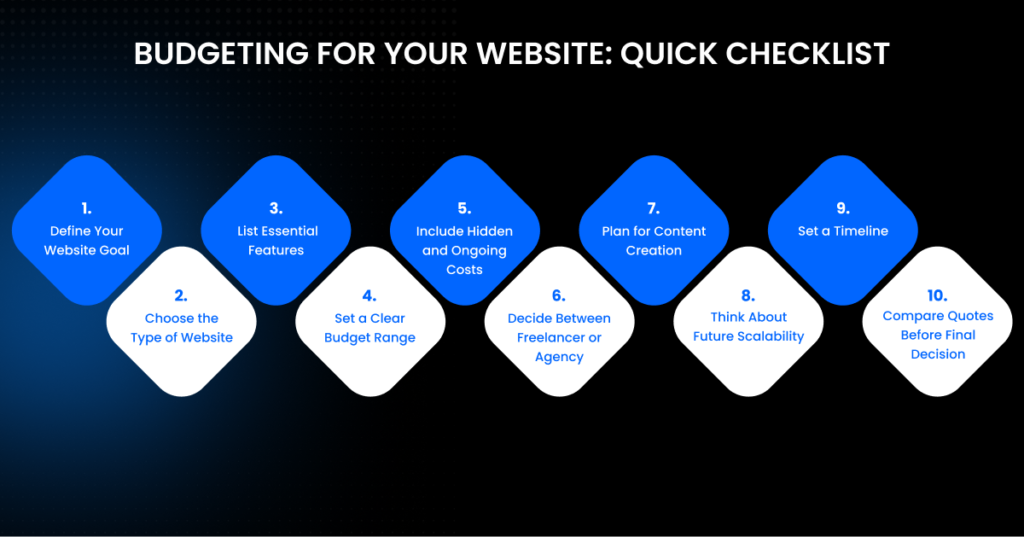
Planning your website budget is one of the most important steps before starting your project. Many businesses either overspend or underestimate costs because they don’t plan properly. A clear budget helps you control expenses, avoid surprises, and get the best value for your money.
Below is a complete checklist to help you budget your website effectively.
1. Define Your Website Goal
Start by understanding why you need a website. Your goal will directly affect your budget.
- Do you want to generate leads?
- Sell products online?
- Build brand awareness?
For example, a simple informational website costs less than an eCommerce store. When your goal is clear, you can avoid spending money on unnecessary features.
2. Choose the Type of Website
Different types of websites have different costs. Decide what kind of website you need:
- Basic website (portfolio or blog)
- Business website
- eCommerce website
- Custom web application
Each type requires different levels of design and development, which impacts the Web Design Cost in Australia.
3. List Essential Features
Make a list of features your website must have. This helps you control your budget and avoid extra costs.
Common features include:
- Contact forms
- Booking systems
- Payment gateways
- User login or membership
- Chat support
Focus only on important features in the beginning. You can always add more later.
4. Set a Clear Budget Range
Decide how much you are willing to spend. Instead of a fixed number, set a budget range (for example, $3,000 – $7,000).
This gives flexibility while still keeping your spending under control. Always keep a small buffer (10–20%) for unexpected costs.
5. Include Hidden and Ongoing Costs
Many people forget about ongoing expenses. Your budget should include:
- Domain and hosting
- Maintenance costs
- SEO services
- Paid tools or plugins
Ignoring these can lead to problems later, even if your initial website cost is low.
6. Decide Between Freelancer or Agency
Your choice of service provider will impact your budget.
- Freelancers are more affordable and suitable for small projects
- Agencies are more expensive but offer complete services and better support
Choose based on your budget, project size, and long-term goals.
7. Plan for Content Creation
Content is a major part of your website. Decide whether you will:
- Write content yourself
- Hire a professional copywriter
- Use stock images or custom photography
Good content improves user experience and SEO, so it’s worth investing in.
8. Think About Future Scalability
Your website should grow with your business. Plan for future upgrades like:
- Adding new pages
- Expanding features
- Integrating new tools
Choosing a scalable platform now can save you money later.
9. Set a Timeline
Time is also a cost factor. If you need your website urgently, it may cost more.
Plan a realistic timeline to avoid paying extra for fast delivery.
10. Compare Quotes Before Final Decision
Never go with the first option. Get quotes from multiple freelancers or agencies.
Compare based on:
- Price
- Services included
- Experience
- Reviews and portfolio
This helps you choose the best value, not just the cheapest option.
Also Read: WordPress Website Development Companies in Parramatta
Website Cost-Saving Tips
Building a website does not always mean spending a large amount of money. With the right approach, you can reduce your Web Design Cost in Australia without affecting quality. The key is to plan smartly and focus only on what your business really needs.
1. Start with a Minimum Viable Website
Instead of building a large and complex website from the beginning, start with a basic version. Include only the most important pages and features, such as Home, About, Services, and Contact. Once your business grows, you can upgrade your website step by step.
2. Use Pre-Designed Templates
Custom websites are expensive because they require more design and development time. Templates are ready-made designs that cost much less and can be customized to match your brand. This is a great option for startups and small businesses.
3. Choose the Right Platform
Using platforms like WordPress, Shopify, or Wix can significantly reduce development costs. These platforms already have built-in features, so you don’t need to build everything from scratch.
4. Provide Your Own Content
Hiring professionals for content writing, images, and videos can increase your budget. If possible, create your own content. Even basic content can be improved later.
5. Avoid Unnecessary Features
Many businesses add features they don’t actually need. This increases both cost and complexity. Focus only on features that directly support your business goals.
6. Compare Multiple Service Providers
Always get quotes from different freelancers and agencies. Compare their pricing, services, and experience before making a decision. This helps you find the best value for your budget.
7. Plan for Long-Term Savings
Sometimes spending a little more initially can save money later. For example, choosing a good hosting provider or scalable platform reduces future upgrade costs.
Custom vs Template Website: Which Should You Choose?
Choosing between a custom website and a template website is an important decision. Both options have their own advantages and limitations, and the right choice depends on your budget, goals, and business size.
Custom Website
A custom website is designed and developed from scratch based on your specific needs.
Advantages:
- Unique design that matches your brand identity
- Full control over features and functionality
- Better scalability for future growth
- Optimized performance and SEO
Disadvantages:
- Higher cost compared to templates
- Takes more time to design and develop
Custom websites are best for medium to large businesses or companies that want a strong online presence and unique branding.
Template Website
A template website uses pre-designed layouts that can be slightly customized.
Advantages:
- Lower cost and faster development
- Easy to set up and manage
- Ideal for small businesses and startups
Disadvantages:
- Limited customization options
- Design may look similar to other websites
- Less flexibility for advanced features
Template websites are perfect for businesses with limited budgets or those who need a website quickly.
Which One Should You Choose?
If your budget is low and your needs are simple, a template website is a smart choice. However, if you want a unique, scalable, and high-performing website, investing in a custom website is better in the long run.
What are the Hourly Rates for Experienced Web Specialists in Australia?
| Professional Type | Experience Level | Hourly Rate (AUD) | Best For |
|---|---|---|---|
| Freelancer | Beginner | $30 – $50 | Small tasks, simple websites |
| Freelancer | Intermediate | $50 – $80 | Small to medium projects |
| Freelancer | Expert | $80 – $120 | Custom features, advanced work |
| Small Agency | Team Level | $80 – $150 | Business websites, ongoing work |
| Mid-Sized Agency | Experienced Team | $150 – $250 | eCommerce, custom websites |
| Top-Tier Agency | Highly | $250 – $300+ | Enterprise-level, complex systems |
The cost of hiring web professionals in Australia varies depending on their experience, skills, and the complexity of your project. Understanding these rates can help you plan your budget more accurately.
Freelancer Rates
Freelancers are independent professionals and usually charge lower rates.
- Beginner: $30 – $50 per hour
- Intermediate: $50 – $80 per hour
- Experienced: $80 – $120 per hour
Freelancers are a good option for small projects or businesses with limited budgets.
Agency Rates
Agencies provide a full team of experts, including designers, developers, and project managers.
- Small agencies: $80 – $150 per hour
- Mid-sized agencies: $150 – $250 per hour
- Top-tier agencies: $250 – $300+ per hour
Agencies are more expensive but offer better quality, structured processes, and long-term support.
What Affects Hourly Rates?
Several factors influence the rates of web specialists:
- Experience and expertise
- Project complexity
- Location within Australia
- Type of service (design, development, SEO, etc.)
Hiring experienced professionals may cost more, but it often results in better performance and fewer issues in the future.
Also Read: WordPress Website Development Companies in Wollongong
Smart Website Design That Fits Your Budget
A smart website is not the one that costs the most-it is the one that delivers results while staying within your budget. The goal is to balance cost, quality, and performance.
Focus on Business Goals
Start by identifying what you want your website to achieve. Whether it’s generating leads, selling products, or building brand awareness, your design should support that goal.
Prioritize Essential Features
Instead of adding too many features, focus on the most important ones. A simple, clean, and user-friendly website often performs better than a complex one.
Invest in User Experience
Good navigation, fast loading speed, and mobile responsiveness are more important than fancy design elements. These factors improve user satisfaction and conversion rates.
Choose Scalable Solutions
Build a website that can grow with your business. This allows you to add new features in the future without having to rebuild everything from scratch.
Work with the Right Professionals
Choosing the right freelancer or agency is important. A skilled professional can help you make better decisions and avoid costly mistakes.
Think Long-Term
Don’t just focus on the initial cost. Consider long-term benefits like SEO performance, maintenance, and future upgrades. A well-built website can generate returns for years.

Conclusion
The Web Design Cost in Australia in 2026 depends on many factors, including the type of website, features, and the professionals you hire. While it may seem expensive at first, a well-designed website is a long-term investment that can generate leads, increase sales, and build brand credibility.
It is important to plan your budget carefully and understand what you are paying for. Instead of choosing the cheapest option, focus on value and quality. A poorly designed website can cost more in the long run due to lost customers and frequent fixes.
By understanding the pricing structure and following the tips shared in this guide, you can make informed decisions and build a website that meets your goals without overspending. Whether you choose a freelancer, agency, or DIY approach, always prioritize performance, usability, and scalability.
FAQs
The Web Design Cost in Australia typically ranges from $500 for basic websites to over $50,000 for custom or enterprise solutions. The final price depends on features, design complexity, and the developer you choose. Small businesses usually spend between $3,000 and $10,000.
Website pricing varies because every project has different requirements, such as the number of pages, features, and level of customization. A simple website needs less time and effort, while advanced websites require more development and expertise. This creates a wide cost range.
Freelancers are more affordable and suitable for small projects, while agencies provide complete services with better quality and support. Your choice depends on your budget and project size. For long-term projects, agencies are often a safer option.
Yes, additional costs like hosting, domain, maintenance, SEO, and premium tools are often not included in the initial price. These ongoing expenses are important for website performance and growth. Always plan your budget, including these costs.
You can reduce costs by using templates, starting with basic features, and choosing affordable platforms like WordPress. Providing your own content and comparing multiple service providers also helps save money. Smart planning is key to staying within budget.

Related Posts
Top 7 UI/UX Design Companies in Australia
As customer expectations continue to rise, businesses can no longer rely on attractive visuals alone. A successful digital product must...
Read More

Top 5 Fashion Web Design Companies in Australia
Fashion is a visual, emotional, and fast-moving industry. Trends shift by the season, sometimes by the week, and customers form...
Read More
Top 5 Hotel and Restaurant Website Design Companies in Australia
Australia’s hospitality industry has become increasingly digital, with most guests choosing where to stay or dine based on their online...
Read More


 Verified Review




 +91 9426029999
 311, 3rd Floor, Space 7, Sector 7, Shipra Path, Mansarovar, Jaipur, Rajasthan 302020