

Share this article


How Much Does It Cost to Develop an App Like Happn?
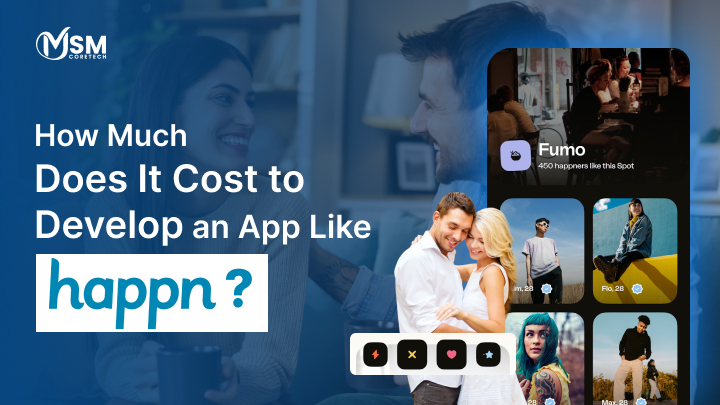
Dating apps have changed the way people meet and connect with each other. Among many dating apps, Happn is different because of its unique idea. It helps you find people you have actually crossed paths with in real life. For example, if you walked past someone on the street, sat near them in a café, or traveled on the same train, Happn can help you find that person again.
This idea connects with a very common human feeling: being curious about someone you noticed but never got a chance to meet. Maybe you saw someone interesting on the subway, or someone smiled at you in a bookstore. With Happn, you can find that person instead of simply looking through random profiles of people you have never met.
Because of this, Happn feels more personal and natural than simply swiping through profiles. It gives people a second chance to connect with someone they may have already seen in real life. This emotional connection is one of the main reasons why this type of dating app continues to attract millions of users around the world.
The online dating industry has grown a lot over the past ten years. Dating, which once felt awkward or unusual, has now become a normal part of life. People from different ages, backgrounds, and lifestyles use dating apps to meet new people and build connections. Some are looking for a serious relationship, while others may want a casual friendship or simply someone to meet for coffee. Smartphones have made it easier for people to stay connected anytime and anywhere. Dating apps have made good use of this convenience by helping people meet others online. Today, more than 300 million people around the world use dating apps, and the market is expected to keep growing in the coming years.
Developing an app like Happn can be a great business idea because it created its own place in the highly competitive dating app market. Instead of trying to compete directly with popular apps like Tinder and Bumble, Happn introduced a different way to connect people. The app focuses on location and real-life encounters. It helps users discover people they may have crossed paths with in the real world. This unique idea gave Happn a clear identity and helped it build a loyal user base. Happn shows that there is still a lot of opportunity in the dating app market. Businesses can stand out by offering a fresh and useful idea instead of simply copying existing dating apps.
If you are an entrepreneur or startup founder planning to build an app like Happn, one of the first things you may want to know is, “How much will it cost?” In this blog, we will explain everything in simple words. We will cover the main features, technology, development time, and estimated cost of building a Happn-like app.
Whether you are only thinking about the idea or already planning to launch your app, this guide will help you understand the overall development process and how much you may need to spend at each stage. Working with an experienced dating app development company can also make the process easier. They can help you avoid common mistakes, choose the right technology, control development costs, and build an app that can grow over time and compete well in the dating market.
What Is Happn and Why Is It Unique?
Before we talk about the cost, let’s first understand what makes Happn different from apps like Tinder and Bumble.
Many dating apps match you with people from a large area. Happn works differently. It uses your phone’s GPS to find people you have been near in real life. It then shows these people on your Happn timeline.
For example, if you and another Happn user were at the same coffee shop at 9 AM, you may both see each other on your timelines. This makes Happn more focused on people you have actually crossed paths with in your daily life.
This location-based approach makes the app feel more natural and useful. Instead of swiping through random strangers, users can discover people who are already around them or part of their daily life. This can make the experience feel more familiar, comfortable, and safe, which many users like.
Happn was launched in Paris in 2014 by Didier Rappaport. The app quickly became popular in Europe and later expanded to other countries around the world. Today, Happn has more than 100 million registered users in over 50 countries. Its success shows that people want more than just meeting someone online. They also want to feel that the connection is real and has a link to their everyday life. Happn makes this possible by connecting the online dating experience with real-life encounters.
Think about how many times you have seen someone interesting at a grocery store, gym, or while going to work and thought, “I wish I could talk to them.” Happn makes it easier to do that. It gives you a comfortable way to connect with someone because you already have something in common-you were in the same place at the same time. Even if you only shared a short moment, that small connection can be the beginning of a new conversation.
Another feature that makes Happn different is its timeline. Instead of showing profiles in a simple grid, Happn gives users a live, scrollable feed of people they have recently crossed paths with. It also shows details like when and where they crossed paths and how many times it happened. This makes the app feel more active, personal, and real instead of feeling like just another dating app.
From a privacy point of view, Happn also takes good care of its users. It does not show your exact location to other people. Instead, it only shows that you and another person crossed paths. This gives users a way to discover new people while still keeping their location private.
The main idea behind Happn is simple and smart. However, building an app like this requires many things to work together. It needs real-time GPS tracking, a system to detect when users are near each other, live timeline updates, and a strong matching system. All these features can affect the overall cost of developing the app.
Read also: Cost to Develop an App Like Grindr
Why Invest in Dating App Development Like Happn?
Dating mobile app development is one of the most profitable areas in the mobile app market today. Millions of people use dating apps to find new people and build meaningful relationships. Because of this, the demand for simple, smart, and user-friendly dating apps is growing quickly. If you are planning to invest in a dating app like Happn, there are many good reasons why it can be a smart business idea.
The Market Is Huge and Still Growing
The global online dating market is now worth more than $10 billion and is expected to grow steadily in the coming years. Every year, more people use dating apps to find love, make friends, or build new relationships. This growing number of users creates a big opportunity for businesses to launch a dating app that meets their needs.
People Are Comfortable Using Dating Apps
A few years ago, online dating was still seen as something unusual or embarrassing. Today, that has changed a lot. People of all ages, from college students to older adults, are now using dating apps openly. This change in people’s attitudes has created a much bigger audience for new dating apps entering the market.
Location-Based Apps Have a Unique Advantage
Apps like Happn use real-world location data to help people find more relevant matches. Unlike traditional dating apps, users can connect with people they may have seen or crossed paths with in real life. This makes matches feel more real and meaningful. As a result, users are more likely to stay active, keep using the app, and have a better overall experience.
Multiple Ways to Make Money
Dating apps can make money in many ways, such as subscriptions, in-app purchases, premium features, and ads. Once the app has a loyal user base, it can generate good and regular income.
Room for Niche Opportunities
There are still many dating niches that are not fully explored, based on profession, lifestyle, religion, or personal interests. A dating app that focuses on a specific group can build a strong and loyal user community without having to compete directly with the biggest dating apps.
Investing in a dating app like Happn is more than just following a trend. It can be a long-term business opportunity because there is already strong and proven demand in the dating market.
Key Features That Drive the Cost of a Happn-Like App
The cost of building an app depends mainly on how many features you want and how complex those features are. Here are the key features needed for a Happn-like app:
1. User Registration and Login
Users should be able to sign up easily using their email, phone number, or social media accounts like Facebook and Google. While this may look simple, it still requires proper backend setup, strong security, and safe data storage.
2. User Profile Creation
After signing up, users can create their profile. They can add photos, write a short bio, and enter basic details like their age and gender. They can also choose their preferences. Keeping this process simple and easy to understand helps create a better user experience.
3. Real-Time GPS Tracking
This is one of the most important features of a Happn-like app. The app needs to regularly track the user’s location and compare it with the locations of other users. When two users are within a set distance of each other, they can appear on each other’s timeline. Building this feature can be technically challenging because it requires frequent location updates and uses a lot of system resources.
4. Timeline / Crossed Paths Feed
Instead of the usual swipe feature, Happn shows a list of people you have crossed paths with. It tells you where you met them and how many times you were near each other. To make this work, the app needs to store location data, check how close users are to each other, and show this information in a simple and useful way.
5. Like and Match System
Users can like each other’s profiles. When two people like each other, it becomes a “Crush,” which is Happn’s way of calling a match. The feature is simple, but the app needs a smooth and easy-to-use design to make the experience feel more exciting and rewarding.
6. In-App Messaging
Once two users match, they can start chatting with each other. The app needs a real-time chat system that supports message delivery, push notifications, and may also allow users to share photos.
7. Push Notifications
When you get a new match, receive a message, or meet someone new, the app sends you a notification. This helps keep users active and encourages them to come back to the app.
8. Privacy Controls
A location-based app needs to protect user privacy. Users should be able to hide their location, pause their profile, choose who can see them, and delete their personal data. These features are very important and need to be developed carefully.
9. SuperCrush / Premium Features
Like many dating apps, a Happn-like app can offer paid features. For example, users can send a “SuperCrush” to show someone they are really interested in them. They can also pay to see who liked them before they match. These premium features can help the app make money.
10. Admin Dashboard
On the backend, you need a control panel to manage users, handle reports, check flagged content, and monitor how well the app is working.
Read also: The Technology Behind Popular Dating Applications
Choosing the Right Platform for Your Dating App Development
One of the first things you need to decide when developing a dating app is which platform you want to build it for. A professional Dating app development company can help you choose the right platform based on your budget, target users, and business goals.
Usually, you have three main options:
iOS Only
Building an app only for Apple devices is usually faster and cheaper at the start. It can be a good choice for startups that want to test their idea quickly. iOS users also often spend more money on premium features and subscriptions. However, focusing only on iOS means you may miss out on a large number of Android users.
Android Only
Android has the biggest market share worldwide, especially in countries like India, Brazil, and Southeast Asia. Building an Android-only app can help businesses reach more users when they launch. However, Android apps may need more testing because they have to work on many different devices and screen sizes.
Both Platforms
Most businesses choose to build their dating apps for both iOS and Android so they can reach more users. A dating app development company can create separate apps for each platform or use cross-platform technologies like React Native or Flutter.
With cross-platform development, developers can use one codebase for both iOS and Android. This can save development time and reduce the overall cost.
For dating apps with advanced features, such as real-time location tracking and live messaging, native apps may provide slightly better performance. However, React Native and Flutter have improved a lot and can handle most dating app features well. They are also a good option for businesses that want to keep development time and costs lower.
Read also: AI in Dating Apps: Benefits, Use Cases, and Key Challenges
The Technology Stack: What Powers a Happn-Like App?
Building a location-based dating app like Happn needs the right technologies to work smoothly together. From the screens users see on their phones to the servers working in the background, every part of the app needs the right technology. Here is a simple breakdown of the tech stack needed to build an app like Happn:
Frontend (Mobile App) Technology
| Component | Technologies |
|---|---|
| iOS & Android | Swift, Kotlin |
| Cross-Platform | React Native, Flutter |
| UI & State Management | Material UI, Redux |
Backend
| Component | Technologies |
|---|---|
| Backend Framework | Node.js, Django |
| APIs & Real-Time | REST API, Socket.io |
| Authentication | JWT, OAuth 2.0 |
Database & Storage
| Component | Technologies |
|---|---|
| Database | PostgreSQL, MongoDB |
| Cache & Search | Redis, Elasticsearch |
| File Storage | Amazon S3 |
Location & Communication
| Component | Technologies |
|---|---|
| Maps & GPS | Google Maps API, Mapbox |
| Notifications & Chat | FCM, Twilio |
Security & Cloud
| Component | Technologies |
|---|---|
| Security | SSL/TLS, Firebase Auth |
| Cloud & DevOps | AWS, Docker, Kubernetes |
Choosing the right technology from the start is very important for your app. If you choose the wrong technology, your app may become slow, cost more to maintain, and require major changes later. An experienced development team can help you choose the right technology based on your app’s needs. This ensures your app works well now and can easily grow in the future.
Visit: Hire Dating App Developer

Steps to Build a Dating App Like Happn
Building a location-based dating app like Happn needs good planning, the right technology, and an easy-to-use design. A successful dating app should make it simple for users to connect with others while keeping the app safe, secure, and interesting. Below are the important steps involved in the app development process for creating an app like Happn.
1. Market Research and Planning
The first step is to understand your target users and check competitors like Happn and Tinder. This research helps you learn what users expect, which features are popular, and what is trending in the market. At this stage, businesses also decide the app’s main goals, target location, and how they plan to make money from the app.
2. Define Features and Functionality
After planning, the next step is to choose the main features of the app. These usually include user registration, profile creation, location tracking, matching, real-time chat, notifications, and privacy settings. You can also add advanced features such as AI-based recommendations and video calling to make the app more useful.
3. UI/UX Design
An attractive and easy-to-use design is very important for a dating app. Designers create simple layouts, wireframes, and interactive screens to make the app easy to use and navigate. A clean and engaging design helps users enjoy the app, keeps them coming back, and improves their overall experience.
4. App Development Process
This is the main development stage, where developers build both the frontend and backend of the app. The frontend includes the app screens and how users interact with them. The backend manages the server, database, APIs, and real-time messaging. Common technologies used at this stage include React Native, Flutter, Node.js, and Firebase.
5. Testing and Quality Assurance
Before launching the app, it needs to be tested properly. Developers check for bugs, security problems, performance issues, and device compatibility. This helps make sure the app works smoothly on both Android and iOS devices.
6. Launch and Maintenance
After testing is finished, the app is launched on the Google Play Store and Apple App Store. After the launch, regular updates, new features, and maintenance are needed to keep users interested and help the app succeed in the long run.
Read also: Top 10 Dating Apps in the USA
Detailed App Development Cost Breakdown for a Dating App
Now, the part you’ve been waiting for. Here’s a realistic app development cost breakdown:
UI/UX Design: A good dating app needs a simple and user-friendly design. Creating all the app screens, icons, and interactive elements usually costs around $5,000 to $15,000. The final cost depends on how complex the design is and where the designer is located.
Frontend Development (iOS + Android): Building the app for both platforms with cross-platform tools like React Native usually costs around $15,000 to $40,000. If you build separate native apps for each platform, the cost can increase to $30,000–$60,000.
Backend Development: The backend is usually the most complex and costly part of a location-based app. It includes building APIs, setting up the database, adding real-time GPS tracking, creating the matching system, and developing chat features. These backend development costs usually range from $20,000 to $50,000.
Admin Panel: A web-based admin dashboard for managing the app usually costs between $3,000 and $8,000.
QA Testing: Manual and automated testing for a complex app usually costs between $5,000 and $12,000.
Third-Party Integrations: Integrating Google Maps, payment gateways, notification services, and social login APIs usually costs an extra $2,000 to $5,000.
Project Management: Managing the full app development process usually costs between $5,000 and $10,000.
Total Cost Summary Table
| Component | Estimated Cost Range |
|---|---|
| UI/UX Design | $5,000 – $15,000 |
| Frontend Development | $15,000 – $60,000 |
| Backend Development | $20,000 – $50,000 |
| Admin Panel | $3,000 – $8,000 |
| QA Testing | $5,000 – $12,000 |
| Third-Party Integrations | $2,000 – $5,000 |
| Project Management | $5,000 – $10,000 |
| Total Estimate | $55,000 – $160,000 |
Factors That Can Increase or Decrease the Cost
Several factors can increase or reduce the overall cost:
Location of Development Team: This is one of the biggest factors that affects the total cost. Hourly rates can be very different depending on where the development team is located:
- USA / Canada / Australia: $100–$200 per hour
- Western Europe: $80–$150 per hour
- Eastern Europe: $40–$80 per hour
- India / Southeast Asia: $20–$50 per hour
Hiring an experienced development team from India or Eastern Europe can help reduce costs by 50–70% compared to hiring teams from Western countries. You can still get good-quality work without paying the higher Western rates. Many successful apps are built by skilled offshore development teams.
MVP vs. Full Product: Building an MVP with only the main features can save you a lot of money. You can start with a basic version for around $30,000–$60,000, get feedback from users, and then add more features step by step.
Adding advanced features: Features like video chat, AI-based matching, voice messages, and AR integrations can make the app take more time and cost more to develop.
Design Complexity: A simple and clean design usually costs less than a custom design with lots of animations and advanced details. Both options can look great. The right choice depends on your brand and the audience you want to reach.
The number of Platforms: Starting with only iOS or Android can help reduce the initial development cost. You can add the other platform later when your app grows.
Read also: Dating App Development Cost in the USA
Tips for Reducing Development Costs Without Cutting Corners
Building a dating app can cost a lot, but choosing the right dating app development company and planning your budget carefully can help you save money without reducing the quality of the app. Here are some simple and useful ways to manage your development costs:
Start with an MVP
Instead of adding all the features at once, start with a Minimum Viable Product (MVP). Include only the most important features, such as location-based discovery, profile matching, and messaging. Later, a dating app development company can add more advanced features based on user feedback and market needs.
Use Cross-Platform Development
Frameworks like React Native and Flutter help developers build apps for both iOS and Android using one codebase. This saves development time and reduces costs compared to building two separate apps.
Hire Offshore Talent
Many businesses save money by hiring experienced developers from regions like Eastern Europe and South Asia. These regions have skilled mobile app developers who offer their services at more affordable rates. You can find trusted agencies and freelancers on platforms like Toptal, Clutch, and Upwork.
Use Existing APIs and SDKs
A professional dating app development company uses ready-made APIs and SDKs for features like maps, push notifications, payments, and login. This helps save development time and reduces the cost of writing custom code.
Prioritize User Experience Over Complex Design
A simple, clean, and easy-to-use design usually works better than too many animations or complicated features. An easy and clear design keeps users engaged and can also help reduce the overall development cost.

Why Choose MSM Coretech Innovation for Dating App Development Like Happn?
Building a dating app like Happn is not just about coding. It is about creating an app that people enjoy using. To build a successful app, you need a development partner who understands both the technical work and what users really want. That is what MSM Coretech Innovation offers.
Deep Experience in Mobile App Development
MSM CoreTech Innovations has years of experience in building mobile apps for both iOS and Android. Their team has strong technical knowledge and can build complex dating apps with features like real-time GPS tracking, live chat, and smart matching. They can manage every part of the app development process with skill and confidence.
End-to-End Development Services
MSM CoreTech provides everything in one place, from UI/UX design and frontend and backend development to testing, cloud deployment, and post-launch support. You don’t have to manage different vendors or deal with communication problems. You get one team, one clear vision, and a smooth development process from start to finish.
Transparent Pricing and On-Time Delivery
No hidden costs or unexpected delays. MSM Coretech keeps everything clear and transparent throughout the project. You will always know how your budget is being used and what we are building at each stage.
Customized Innovation for Your Vision
Every business is different. At MSM Coretech Innovation, we don’t believe in using the same approach for everyone. We take the time to understand your audience, goals, and unique idea. Then, we build a product that matches your vision and meets your business needs.
Reliable Post-Launch Support
Launching the app is only the first step. MSM Coretech offers ongoing support after launch to make sure your app works smoothly, stays updated, and grows as your number of users increases.
When you choose MSM Coretech, you are not just working with a development team. You get a long-term technology partner who truly cares about your app’s growth and success.
Final Thoughts
The global online dating market is worth more than $10 billion and is still growing. Location-based dating apps are already popular and have a strong demand. Happn itself has more than 100 million users worldwide. This shows that people are interested in this type of dating app. There are also many opportunities to create dating apps for specific groups based on age, culture, religion, lifestyle, or interests.
Building an app like Happn can cost around $55,000 to $160,000. The final cost depends on the features you add, where your development team is located, and which platforms you choose. If you focus only on the most important features, you can build an MVP for around $30,000 to $50,000.
But money is not the only thing that makes a dating app successful. You also need a clear target audience, an easy and enjoyable user experience, a good way to make money, and enough time to build a strong user base.
If you are serious about building this type of app, first decide who your target users are. Then, choose the main features you need and find a trusted development partner who can help you build the app.
Your app could be the place where the next love story begins—maybe during a daily commute or even at a nearby coffee shop.
FAQs
The cost to develop an app like Happn usually ranges between $55,000 and $160,000. The final cost depends on factors like app features, platform choice, UI/UX design complexity, development team location, and technology stack. A basic MVP version can cost around $30,000 to $50,000.
A dating app like Happn generally takes around 4 to 9 months to develop. The timeline depends on the number of features, design requirements, testing process, and whether the app is built for iOS, Android, or both platforms.
Some essential features include user registration, profile creation, real-time GPS tracking, crossed-path timeline, matching system, in-app chat, push notifications, privacy settings, premium subscriptions, and an admin dashboard.
Popular technologies for dating app development include React Native or Flutter for cross-platform development, Node.js or Django for backend development, PostgreSQL or MongoDB for databases, and Google Maps API for location tracking and mapping services.
Yes, you can reduce costs by starting with an MVP, using cross-platform frameworks like Flutter or React Native, integrating third-party APIs, and hiring experienced offshore developers from regions like India or Eastern Europe.
Dating apps generate revenue through premium subscriptions, in-app purchases, advertisements, profile boosts, and paid features like Super Likes, advanced filters, and seeing who viewed or liked your profile.

Related Posts

10 Key Applications of AI in the Food Industry (2026)
Walk into any restaurant kitchen, grocery warehouse, or food delivery control room today, and you will find something quietly running...
Read More
How To Develop An App Like YouTube Music: A Complete Guide
Music is now a part of our everyday life. People listen to songs while getting ready in the morning, working,...
Read More
Must-Have Features in Fintech Apps & Digital Financial Platforms
Think about how often you use your phone to pay bills, send money, shop online, or check your bank balance....
Read More


 Verified Review




 +44 7427829444
 71-75, Shelton Street, Covent Garden, London, United Kingdom, WC2H 9JQ