

Share this article


How Much Does It Cost To Build a Logistics App Like Uber Freight?
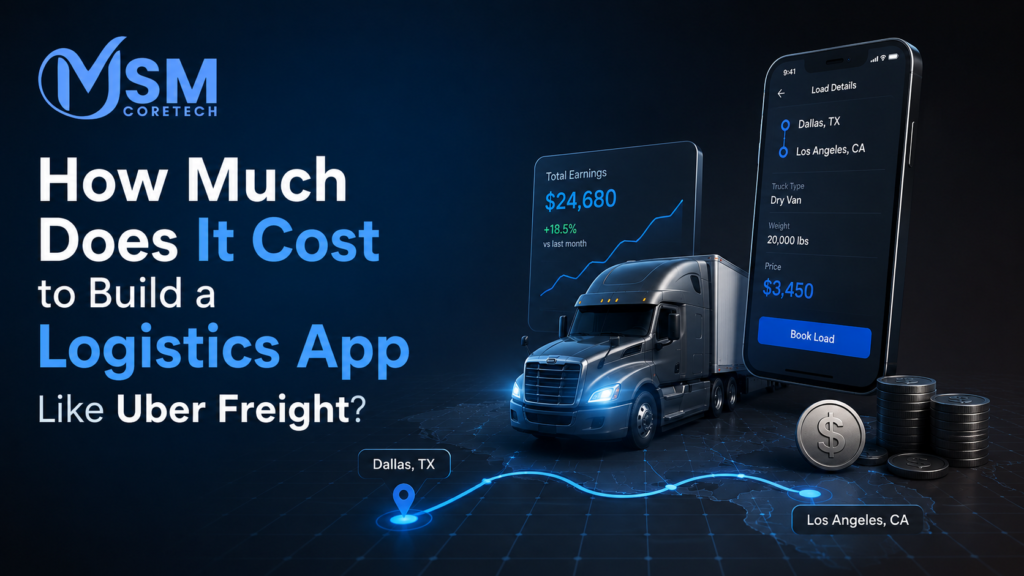
Today, people can easily travel from one place to another using ride-sharing apps like Uber. These apps have made daily commuting much more convenient. However, Uber-style services are not only useful for passenger transportation. They are also becoming popular in the transport and logistics industry. Businesses use these apps to manage freight and deliveries more efficiently, saving time and improving operations. The cost of developing an app similar to Uber Freight can range from $10,000 to $80,000 or even higher. The final cost depends on the features, functionality, and level of customization required for the app. A Logistics App Development company helps businesses design and develop such platforms according to their needs.
Logistics apps like Uber Freight have changed how goods are moved and managed around the world. These apps connect people who want to ship goods (shippers) with truck drivers and transport companies (carriers) who have available trucks. This makes delivery faster, easier to track, and more organized. Today, digital logistics is growing very fast. Studies show that the global digital freight market may grow by more than 20% every year in the coming years. In the USA alone, millions of shipments are handled through these digital freight platforms every month, which shows how quickly this industry is expanding.
Many businesses are investing in on-demand freight apps because they help reduce manual work, save transportation costs, and allow real-time tracking of shipments. These apps also help in better route planning, faster booking, and smooth communication between shippers and drivers. As supply chain needs are increasing, more companies are using technology to stay efficient and competitive.
But before building a logistics app like Uber Freight, it is very important to understand how much it will cost to develop. The cost can change depending on features, technology used, design quality, and the size of the platform. Planning the budget early helps avoid surprise costs and makes the development process smoother. It also helps decide which features should be included in the first version (MVP) and how the app can be improved later in future updates.
Read also: 9+Best Logistics App Development Companies in USA
What is a Logistics App Like Uber Freight?
A logistics app like Uber Freight is a simple online platform that helps connect people or businesses who want to send goods (called shippers) with truck drivers or transport companies (called carriers). It works like a digital meeting place where shipping can be booked, managed, and tracked easily in real time. Instead of using phone calls, agents, or paperwork, everything is done through a mobile app or website.
Uber Freight works in three main parts: shippers, carriers, and drivers. Shippers are people or businesses who need to move goods from one place to another. They add details like where the goods will be picked up, where they will be delivered, how much they weigh, and the price. Carriers or drivers then check available loads and accept the ones that fit their truck and route. After accepting a load, the app helps track the shipment live, shows delivery updates, and handles payment after the delivery is completed. This makes the whole process easy and clear for everyone.
These apps solve many big problems in the logistics industry. Earlier, booking freight was slow and depended on middlemen, phone calls, and unclear communication. Logistics apps fix these problems by quickly matching loads, reducing empty truck trips, and improving delivery routes. They also offer live GPS tracking, automatic pricing, and safe online payments, which help reduce delays and mistakes. This also helps businesses save money and deliver goods faster and more safely.
Overall, a logistics app like Uber Freight makes the shipping process modern and simple by making transport faster, easier, and more efficient for both shippers and carriers.

Key Features of a Logistics App
A logistics app like Uber Freight has different features for shippers, drivers, and admins. These features make the whole process of booking and delivering goods simple, fast, and clear.
Features for Shippers
Load Booking and Management: Shippers can easily create and manage their shipment orders. They just need to add details like pickup place, delivery address, weight, and type of goods. This helps them keep all deliveries in one place without using paper work.
Real-Time Tracking: After the shipment is assigned, shippers can track their goods live using GPS. They can see where the truck is and also get an estimated delivery time. This makes the process more transparent and less stressful.
Price Estimation and Bidding: Shippers can compare prices from different transport companies. Some apps also allow bidding, where carriers offer different prices. This helps shippers choose the most affordable option.
Features for Drivers/Carriers
Load Search and Acceptance: Drivers can search for available loads based on their location, route, and vehicle type. They can accept the jobs that fit their schedule and earn more while avoiding empty trips.
Route Optimization: This feature shows the best route for delivery using GPS. It helps drivers save fuel, time, and avoid traffic problems.
Earnings Dashboard: Drivers can easily see how much they have earned, their completed trips, pending payments, and work history in one place.
Admin Panel Features
User Management: Admins can manage all users, like shippers and drivers. They can verify accounts, approve drivers, and solve user problems.
Payment Handling: This feature helps manage safe payments between shippers and drivers. Admins can handle bills, commissions, and payouts.
Analytics and Reporting: Admins can see reports about shipments, income, user activity, and overall platform performance. This helps them make better business decisions and improve the app.
Read also: How Does AI Integration Impact App Development Cost
Factors Affecting Development Cost
The cost of building a logistics app like Uber Freight depends on many important things. Each factor affects the time, effort, and money needed to develop the app. Knowing these points helps businesses plan better and avoid extra or surprise costs.
App Complexity (Basic vs Advanced Platform)
How simple or advanced the app is makes a big difference in cost. A basic logistics app with simple features like posting loads and basic tracking costs less. But an advanced app with real-time GPS tracking, AI-based load matching, bidding systems, and support for multiple users needs more time to build and costs more.
Features and Functionalities
The total number of features also affects the price. Simple features like booking loads, payment options, and notifications are cheaper. But advanced features like live tracking, automatic pricing, driver analytics, chat systems, and route optimization take more effort and increase the cost.
UI/UX Design Requirements
A simple design is cheaper, while a more attractive and easy-to-use design costs more. Since logistics apps are used by different users like shippers, drivers, and admins, the design must be very clear and easy to use, which increases design effort and cost.
Technology Stack
The technology used to build the app also affects cost. Modern tools like Node.js, React, Flutter, and cloud services help make the app fast and scalable, but they can increase initial development cost. Still, they help save money in the long run by reducing maintenance needs.
Development Team Location and Expertise
Where the development team is located also changes the cost. Teams in the USA or Europe usually charge more than teams in Asia. Also, highly experienced developers may cost more, but they usually build better and more reliable apps.
Third-Party Integrations (GPS, Payment Gateways, APIs)
Logistics apps often connect with external services like Google Maps for tracking, Stripe or PayPal for payments, SMS services, and freight APIs. These integrations make the app more useful, but they also add extra cost for development and sometimes licensing.
Read also: 9+ Best Fitness App Development Companies in USA
Estimated Cost to Build a Logistics App Like Uber Freight
The app development cost of building a logistics app like Uber Freight is not fixed. It depends on the features you want, the design, and how big and scalable the app is. It is usually divided into three levels: basic MVP, mid-level app, and advanced platform.
Basic MVP Cost Range
A basic MVP (Minimum Viable Product) is the simplest version of the app. It includes only basic features like user sign-up, load posting, simple tracking, and a payment system. This version is good for startups that want to test their idea in the market. The cost is usually between $25,000 and $60,000.
Mid-Level App Cost Range
A mid-level logistics app has more advanced features like real-time GPS tracking, driver matching, route optimization, in-app chat, and a better user interface. This is suitable for growing businesses that want better performance and user experience. The cost is usually between $60,000 to $150,000.
Advanced Scalable Platform Cost Range
An advanced platform is a complete, large-scale solution like Uber Freight. It includes AI-based matching, dynamic pricing, analytics dashboards, multi-language support, and high scalability. This type of app is made for big companies handling large logistics operations. The cost is usually between $150,000 to $300,000+.
Cost Breakdown by Modules
| Module | Estimated Cost Range (USD) |
|---|---|
| UI/UX Design | $5,000 – $25,000 |
| Frontend Development | $10,000 – $40,000 |
| Backend Development | $15,000 – $60,000 |
| GPS & Map Integration | $5,000 – $20,000 |
| Payment Gateway Integration | $3,000 – $15,000 |
| Admin Panel Development | $7,000 – $30,000 |
| Testing & QA | $5,000 – $20,000 |
| Maintenance (Yearly) | $10,000 – $50,000 |
| Total Logistics App Development Cost | $60,000 – $260,000 |
The final cost depends on how simple or advanced your logistics app is. Most businesses start with an MVP first so they can test the idea, reduce risk, and then invest in a full-scale advanced platform later.
Read also: Why Responsive Design is Important for eCommerce?
Development Stages and Their Costs
Building a logistics app like Uber Freight is done step by step. Each step is important for making a good and working app. The total cost is split across all these stages based on the work, time, and difficulty.
Planning and Research
This is the first step and very important. In this stage, research is done about the market and competitors. Features of the app are planned, and the app structure is decided. The target users and earning method are also decided here. Good planning helps avoid problems later. The cost of this stage is usually between $3,000 and $10,000, depending on the project size.
UI/UX Design
In this stage, designers create wireframes, prototypes, and final app screens. The main goal is to make the app simple and easy to use for shippers, drivers, and admins. Since logistics apps have different types of users, good design is very important. The cost is usually between $5,000 and $25,000.
Frontend and Backend Development
This is the main development stage where the real app is built. The frontend is what users see, and the backend manages data, servers, and app functions. Features like booking loads, GPS tracking, payments, and notifications are built here. This is the most expensive stage and usually costs between $30,000 and $120,000+, depending on complexity.
Testing and QA
Before launching, the app is checked for bugs, speed issues, and security problems. This testing makes sure everything works smoothly on all devices and for all users. This step is very important for a stable app. The cost is usually between $5,000 and $20,000.
Deployment and Maintenance
After testing, the app is launched on platforms like Google Play Store and Apple App Store. After launch, regular maintenance is needed. This includes fixing bugs, updating the app, improving features, and monitoring servers. Maintenance is ongoing and may cost around $10,000 to $50,000 per year.
In short, every stage is important for building a successful logistics app. Proper budgeting at each step helps create a smooth, scalable, and reliable app.
Read also: Customer-Facing Apps: Examples, Benefits, and Challenges
How to Reduce Development Costs
Building a logistics app like Uber Freight can cost a lot of money, but with the right planning, you can reduce the cost without lowering the quality.
Start with MVP Approach
One of the best ways to save money is to start with a Minimum Viable Product (MVP). Instead of building a full advanced app, you should first build only the main features like user sign-up, load booking, basic tracking, and payments. This helps you launch the app quickly, test it in the market, and get feedback from users before spending more money on advanced features.
Use Pre-Built Solutions and APIs
Instead of creating everything from zero, developers can use ready-made tools and APIs. For example, Google Maps API can be used for tracking, Stripe or PayPal for payments, and Firebase for backend services. These tools save time, reduce development costs, and are also reliable.
Outsource Development Wisely
Choosing the right development team is very important. You can save money by hiring developers from regions like Asia or Eastern Europe, where hourly rates are lower than in the USA or Western Europe. But you should not choose only based on low cost—always check their experience, portfolio, reviews, and past projects to make sure the quality is good.
Prioritize Essential Features
Many companies add too many features in the beginning, which increases cost and delays the launch. Instead, focus only on the most important features like load matching, tracking, and payments. Extra features like AI-based optimization, analytics dashboards, and chat systems can be added later in updates.
Reducing development costs is all about smart decision-making. By starting small, using existing tools, hiring wisely, and focusing on core features, businesses can build a strong logistics app while keeping the budget under control.
Read also: How On-Demand App Development Can Drive Business Growth and Success
Monetization Models for Logistics Apps
A logistics app like Uber Freight is not just used for booking transport. It is also a way to earn money. These apps use different methods to make income while helping shippers and carriers. Picking the right earning model is important for long-term success.
Commission per Shipment
This is one of the most common ways to earn money. The app charges a small fee every time a shipment is successfully booked and delivered. When a load is completed through the platform, the company keeps a small part of the payment as commission. This model is popular because earnings increase as the number of shipments grows. It is simple and easy to understand.
Subscription Plans
In this method, users like shippers or carriers pay a fixed amount every month or year. In return, they get extra or premium features. For example, shippers may be allowed to post unlimited loads, and carriers may get access to better-paying loads first. This model gives steady and regular income, which helps the business plan better.
Surge Pricing and Premium Services
When demand is high, the app can increase prices. This is called surge pricing. It helps balance the number of shipments and also increases earnings. The app can also offer extra paid services like faster delivery, better tracking, priority matching, and dedicated customer support.
Logistics apps can earn money in many ways such as commissions, subscriptions, and premium services. Using a mix of these methods is usually the best way to keep earning steady income and grow the business while giving good value to users.
Challenges in Building a Logistics App
Building a logistics app like Uber Freight is not simple. It works in real time, has many types of users, and handles a large amount of data. Because of this, companies face several challenges while developing and growing such apps.The overall app development process must be carefully planned to handle these complexities.
Real-Time Tracking Accuracy
One major challenge is showing the correct live location of trucks. The app needs to keep updating GPS location all the time. But weak internet, GPS mistakes, or device problems can make tracking less accurate. Even a small delay can cause delivery confusion and unhappy customers.
Supply-Demand Balancing
A logistics app must keep balance between drivers and shipment orders. If there are more shipments but fewer drivers, deliveries get delayed. If there are many drivers but fewer loads, drivers earn less. Creating a system that matches both sides properly is difficult and needs smart technology.
Driver Onboarding
Another challenge is adding and verifying drivers. The app must check documents, licenses, and vehicle details to ensure safety and rules are followed. If this process is slow or complicated, drivers may leave the platform.
Scalability Issues
As the app grows, it must handle more users, shipments, and data without slowing down. If the system is not built properly, it can crash or become slow. To avoid this, companies need cloud systems, load balancing, and a strong backend design, which makes development more complex and costly.
In short, building a logistics app is not only about features. It is also about solving real problems like tracking, matching, onboarding, and scaling. Good planning and a strong technical system are very important for long-term success.
Conclusion
Creating a logistics app like Uber Freight is a great business opportunity, but it needs proper planning and investment. The total cost depends on many factors like how complex the app is, what features it includes, UI/UX design quality, technology used, third-party integrations, and the experience of the development team. A simple MVP version will cost less, while a fully advanced and scalable app will cost much more.
Good planning before starting development is very important. Businesses should first clearly understand their goals, target users, and main features. Starting with an MVP is a smart choice because it reduces risk and allows companies to test their idea in the real market before spending a large amount of money. It also helps in saving unnecessary costs and makes development more efficient.
In the end, building a successful logistics platform is not just about making an app. It is about creating a reliable, scalable, and easy-to-use system that solves real transportation problems. With proper planning, the right technology, and good execution, businesses can build a strong logistics solution that improves efficiency, lowers costs, and supports long-term growth in the fast-growing logistics industry.
FAQs
The cost usually ranges from $25,000 to $300,000+, depending on features, complexity, design, and scalability. A basic MVP is cheaper, while an advanced platform costs more.
A logistics app includes features like load booking, real-time GPS tracking, price estimation, driver load search, route optimization, payments, and admin dashboards for management.
Key factors include app complexity, number of features, UI/UX design, technology stack, third-party integrations, development team location, and scalability requirements.
Major challenges include real-time tracking accuracy, supply-demand balancing, driver onboarding, and handling scalability as the platform grows.
You can reduce costs by starting with an MVP, using pre-built APIs, outsourcing development wisely, and focusing only on essential features in the initial phase.

Related Posts

10 Key Applications of AI in the Food Industry (2026)
Walk into any restaurant kitchen, grocery warehouse, or food delivery control room today, and you will find something quietly running...
Read More

How To Develop An App Like YouTube Music: A Complete Guide
Music is now a part of our everyday life. People listen to songs while getting ready in the morning, working,...
Read More

Must-Have Features in Fintech Apps & Digital Financial Platforms
Think about how often you use your phone to pay bills, send money, shop online, or check your bank balance....
Read More


 Verified Review




 +44 7427829444
 71-75, Shelton Street, Covent Garden, London, United Kingdom, WC2H 9JQ