

Share this article


Top 8 eCommerce website building platforms in 2026
Starting an online business has become easier than ever, but choosing the right tools still plays a very important role in success. In 2026, businesses are moving online at a fast pace, and customers now expect smooth, fast, and secure shopping experiences. This is where e-commerce website-building platforms come into the picture.
These platforms help you create, manage, and grow your online store without needing advanced technical skills. Whether you are a beginner, a small business owner, or a large company, there are many eCommerce website platforms designed to meet different needs. Some are simple and easy to use, while others offer advanced customization and powerful features.
However, with so many options available, choosing the right platform can be confusing. That’s why many businesses also work with a professional Ecommerce development company to build a strong and scalable online store.
In this detailed guide, we will explore the top 8 eCommerce website building platforms in 2026, along with their features, benefits, and ideal use cases. This will help you make the right decision for your online business.
Why Invest in eCommerce?
Investing in eCommerce is no longer optional—it has become a necessity for businesses of all sizes. The way people shop has completely changed over the last few years, and online shopping is now the preferred choice for millions of customers worldwide.
One of the biggest reasons for this growth is the rise of mobile shopping. Around 70% of online purchases are made through smartphones. This means businesses must use modern e-commerce website-building platforms that offer mobile-friendly designs and fast loading speeds.
Another major advantage of eCommerce is lower operational costs. Unlike physical stores, you do not need to spend heavily on rent, electricity, or large staff. With the help of eCommerce website platforms, you can automate tasks like inventory management, payments, and order tracking.
Personalization is also a key factor driving growth. Modern platforms use AI tools to recommend products based on customer behavior. This improves user experience and increases sales.
Additionally, eCommerce allows businesses to reach global customers. You are no longer limited to a single location. With the support of an experienced Ecommerce development company, you can create a store that serves customers worldwide.
In simple terms, investing in eCommerce in 2026 means investing in the future of your business.

Also Read: Cost to Build a Food Delivery App Like Uber Eats
E-commerce Market Statistics 2026
Today rapid internet penetration is leading to high demand for online goods and services selling. This is creating a positive impact on the e-commerce market worldwide. The global e-commerce market, which was predicted to be US$33.91 trillion in 2025 is estimated to reach US$155.98 trillion by the year 2033. Therefore, a significant compound annual growth rate of 21.6% is seen from 2026 to 2033.
Key Market Trends
- The global e-commerce market will reach US$39.7 trillion in 2026 (a huge growth in one year)
- Overall market trend in 2026 reflects a balanced growth across all product categories, not dominated by a single segment.
- The data suggests strong momentum heading into 2027 and beyond, with no signs of slowdown.

Top 8 e-commerce website-building platforms
1. Shopify
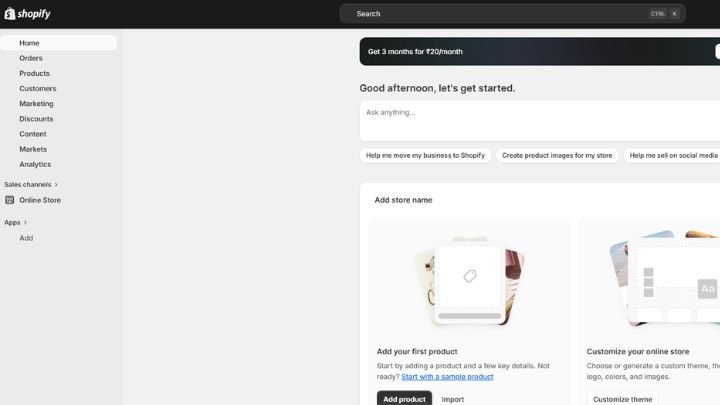
Shopify is one of the most trusted and widely used eCommerce website building platforms in the world. It is known for its simplicity, speed, and all-in-one features that make it easy to launch an online store.
Shopify is a hosted platform, which means you do not need to worry about hosting, security, or maintenance. Everything is managed by Shopify itself. This makes it a great choice for beginners who want to start quickly without technical knowledge.
Shopify ecommerce development company helps businesses get a wide range of professional themes that can be customized according to your brand. It also has a large app store where you can add extra features like marketing tools, payment gateways, and shipping options.
Key Features
- Easy drag-and-drop store builder
- 100+ professional themes
- Secure payment gateways (Shopify Payments, third-party support)
- App store with 6000+ integrations
- Mobile-friendly and responsive design
- 24/7 customer support
Many Ecommerce development companies recommend Shopify for startups and growing businesses because of its ease of use and scalability.
2. WooCommerce
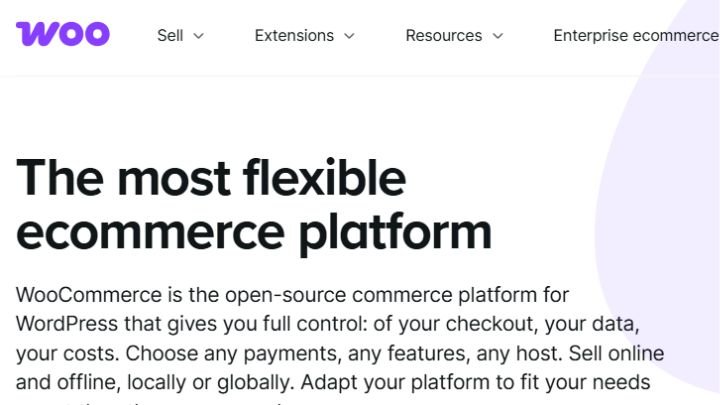
WooCommerce is one of the most flexible eCommerce website platforms, especially for users who are already familiar with WordPress. It is an open-source plugin that allows you to turn your WordPress website into a fully functional online store.
The biggest advantage of WooCommerce is its customization. You can control every aspect of your store, from design to functionality. There are thousands of plugins and themes available to extend its features.
Key Features
- Open-source and fully customizable
- Seamless WordPress integration
- SEO-friendly structure
- Thousands of plugins and extensions
- Multiple payment gateway support
- Full control over data and hosting
However, since it is a self-hosted solution, you will need to manage hosting, security, and updates yourself.
3. Magento (Adobe Commerce)

Magento, now known as Adobe Commerce, is a powerful platform designed for large businesses and enterprises. It is one of the most advanced e-commerce website-building platforms available today.
Magento ecommerce development company help businesses get high-level customization and scalability, making the platform suitable for businesses with complex requirements.
Key Features
- Highly scalable for large stores
- Advanced customization options
- Multi-store and multi-language support
- Strong security and performance
- AI-powered product recommendations
- Advanced analytics and reporting
Magento requires technical expertise, so working with an Ecommerce development company is highly recommended.
4. BigCommerce
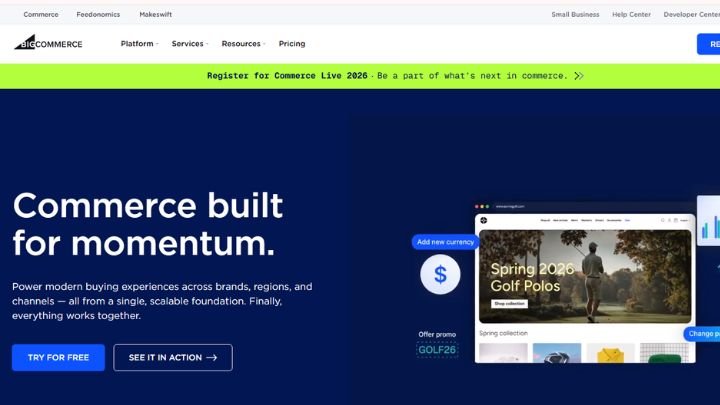
BigCommerce is another popular platform that offers a perfect balance between ease of use and advanced features. It is a fully hosted solution, similar to Shopify, but with more built-in functionalities.
Key Features
- No transaction fees
- Built-in SEO tools
- Multi-channel selling (Amazon, eBay, social media)
- High performance and fast loading
- Secure and scalable infrastructure
- Advanced product management
It is ideal for medium to large businesses looking for growth and flexibility.
5. Wix eCommerce
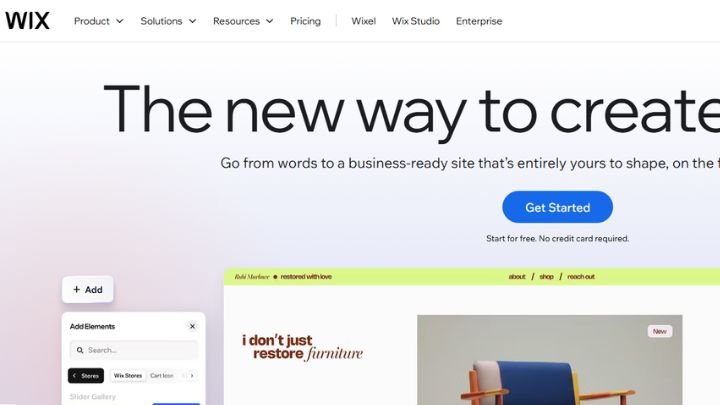
Wix eCommerce is one of the simplest and most beginner-friendly eCommerce website building platforms available in 2026. It is designed for users who want to create an online store quickly without dealing with technical complexity. With its intuitive drag-and-drop editor, Wix allows you to design your store exactly the way you want, even if you have no prior experience in website development.
This platform is especially popular among small business owners, freelancers, and startups who want an affordable and fast solution. Wix also offers built-in marketing tools, making it easier to promote your products and attract customers without relying heavily on external tools or an Ecommerce development company.
Key Features
- Drag-and-drop website builder
- 500+ designer templates
- Built-in SEO and marketing tools
- Secure online payments
- Mobile optimization
- Easy product management
Wix is best for small businesses and startups with limited budgets.
6. Squarespace

Squarespace is a premium eCommerce website platform known for its elegant designs and smooth user experience. It is an excellent choice for businesses that focus heavily on branding and visual appeal. In 2026, Squarespace continues to attract creative professionals such as designers, photographers, and fashion brands who want their online stores to look modern and professional.
The platform combines design and functionality in a simple interface, allowing users to build visually stunning websites without needing coding skills. It also includes built-in tools for content management, blogging, and analytics, making it a complete solution for growing brands.
Key Features
- High-quality designer templates
- Built-in analytics tools
- Easy inventory management
- Mobile-optimized design
- Secure checkout system
- Integrated blogging features
It is a good choice for creative professionals and small brands.
7. OpenCart
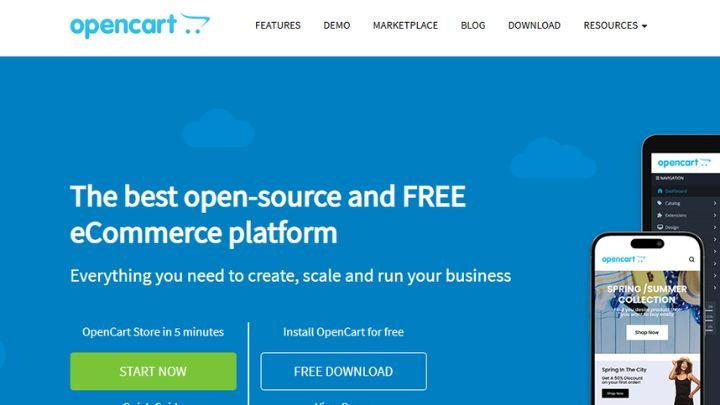
OpenCart is a powerful yet lightweight open-source solution among eCommerce website building platforms. It is ideal for businesses that want a cost-effective platform with decent flexibility and performance. Unlike fully hosted platforms, OpenCart gives you more control over your store while still being relatively easy to manage.
In 2026, OpenCart remains a strong option for small to medium-sized businesses that want to avoid high monthly fees. It offers a simple admin panel and a wide range of extensions, allowing you to expand your store’s functionality as your business grows. However, some technical knowledge or support from an Ecommerce development company may be required for advanced customization.
Key Features
- Free and open-source
- Lightweight and fast
- Multiple payment and shipping options
- User-friendly admin dashboard
- Large extension marketplace
- Multi-store functionality
It is suitable for businesses looking for a cost-effective solution.
8. PrestaShop

PrestaShop is a feature-rich and highly flexible eCommerce website platform that is widely used by businesses aiming to build scalable and customizable online stores. It is an open-source platform, which means you have full control over your website’s design and functionality.
In 2026, PrestaShop stands out for its strong international capabilities, including multi-language and multi-currency support. This makes it a great choice for businesses that want to expand globally. While it offers powerful features, managing PrestaShop effectively may require technical expertise or assistance from an experienced Ecommerce development company.
Key Features
- Highly customizable platform
- Multi-language and multi-currency support
- Advanced product management
- Large module marketplace
- Strong community support
- SEO-friendly structure
PrestaShop is ideal for businesses targeting international markets.
Also Read: Web Design Cost in Australia
Comparison of Top eCommerce Website Building Platforms
Below is a quick comparison of the top eCommerce website building platforms in 2026 to help you understand their differences:
| Platform | Best For | Pricing Type | Ease of Use | Customization | Scalability | SEO Features |
|---|---|---|---|---|---|---|
| Shopify | Beginners & startups | Monthly subscription | Very Easy | Medium | High | Good |
| WooCommerce | WordPress users | Free + hosting | Medium | Very High | High | Excellent |
| Magento | Large enterprises | Paid (high cost) | Complex | Very High | Very High | Excellent |
| BigCommerce | Growing businesses | Monthly subscription | Easy | High | High | Very Good |
| Wix eCommerce | Small businesses | Monthly subscription | Very Easy | Medium | Medium | Good |
| Squarespace | Creators & brands | Monthly subscription | Easy | Medium | Medium | Good |
| OpenCart | Budget businesses | Free + hosting | Medium | High | Medium | Good |
| PrestaShop | Global businesses | Free + hosting | Medium | Very High | High | Very Good |
This table gives a clear overview of how each platform performs in key areas. Choosing the right eCommerce website platforms depends on your business size, budget, and technical requirements.
What Makes the Best eCommerce Website Builder?
Choosing the best eCommerce website building platforms is not just about popularity. it is about how well the platform meets your business needs. A good platform should make it easy to create, manage, and grow your online store without unnecessary complications.
One of the most important factors is ease of use. The best eCommerce website platforms provide simple dashboards, drag-and-drop builders, and clear navigation so that even beginners can manage their store easily.
Performance is another key factor. Your website should load quickly and handle multiple users without slowing down. A slow website can lead to lost sales and poor customer experience.
Customization is also important. Every business is unique, so your platform should allow you to customize your store’s design and features according to your brand.
Security is a must-have feature. A reliable platform should provide secure payment gateways, SSL certificates, and protection against cyber threats.
SEO and marketing tools are equally important. The best platforms help your website rank higher on search engines and offer tools for email marketing, social media integration, and promotions.
Finally, scalability matters. As your business grows, your platform should be able to handle more products, traffic, and orders without issues.
Also Read: Elements of Online Gaming Website Development
How to Choose the Right eCommerce Website Building Platform for Your Online Store
Selecting the right eCommerce website building platforms requires careful planning. The choice you make will directly impact your store’s performance and growth.
Start by understanding your business needs. If you are a small business or beginner, you may prefer simple platforms like Shopify or Wix. For larger businesses, platforms like Magento or BigCommerce may be more suitable.
Next, consider your budget. Some eCommerce website platforms charge monthly fees, while others are open-source but require hosting and maintenance costs.
Think about the features you need. For example, if you want strong SEO capabilities, WooCommerce can be a great option. If you need advanced customization, Magento may be better.
Ease of use is also important. If you do not have technical knowledge, choose a platform that is easy to manage without coding.
Another important factor is support. Many businesses work with an Ecommerce development company to ensure their store is built and maintained properly.
Lastly, consider future growth. Your platform should be able to scale as your business expands.
How Much Does an eCommerce Website Cost?: eCommerce Software Fees
The cost of building an online store using eCommerce website building platforms can vary depending on the platform and features you choose. For hosted platforms like Shopify, Wix, and BigCommerce, you usually pay a monthly subscription fee. This can range from $20 to $300 per month, depending on the plan and features.
Open-source eCommerce website platforms like WooCommerce, OpenCart, and PrestaShop are free to use, but they come with additional costs. You will need to pay for hosting, domain name, security, and premium plugins.
Design and development costs are another factor. If you want a custom-designed store, you may need to hire an Ecommerce development company. This can cost anywhere from $500 to $10,000 or more, depending on the complexity of your project.
Other costs may include payment gateway fees, marketing tools, and maintenance expenses.
In simple terms, a basic online store can cost a few hundred dollars, while a large and advanced store can cost thousands.
Also Read: Ride-Hailing Apps in Dubai
What About eCommerce Website Builders for Makers and Creators?
Makers and creators, such as artists, designers, and content creators, have unique needs when it comes to eCommerce website platforms. They often focus more on design, branding, and storytelling rather than complex features.
Platforms like Wix and Squarespace are excellent choices for creators because they offer visually appealing templates and easy customization. These platforms allow creators to showcase their work in a professional way.
Shopify is also a strong option for creators who want to scale their business and sell products globally. It provides powerful tools for inventory, payments, and marketing.
For creators who want full control, WooCommerce can be a good choice, especially if they are comfortable with WordPress.
Many creators also sell digital products such as ebooks, courses, and artwork. Most modern eCommerce website building platforms support digital downloads and subscriptions.
If a creator wants a highly customized store, working with an Ecommerce development company can help bring their vision to life.
How to Choose the Right eCommerce Platform?
Choosing the right eCommerce website platforms depends on your business goals and requirements. There is no one-size-fits-all solution. First, consider your budget. Some platforms have monthly fees, while others are free but require hosting and maintenance costs.
Next, think about ease of use. If you are a beginner, choose a platform that is simple and does not require coding skills.
Scalability is also important. Your platform should be able to grow with your business. Customization options, SEO features, and payment integrations should also be considered. Working with a professional Ecommerce development company can help you analyze your needs and choose the best platform.
Benefits of Using eCommerce Website Building Platforms
Modern e-commerce website-building platforms offer many benefits that make it easier to run an online business.
They allow quick store setup, saving time and effort. You do not need to build everything from scratch. They also reduce development costs, especially for small businesses. Security is another major benefit. Most platforms offer secure payment systems and data protection.
Mobile-friendly design ensures a better user experience, which leads to higher sales. These platforms also make it easy to manage inventory, orders, and customers from one place.
Also Read: AI in Dating Apps
Future Trends in eCommerce Platforms
The future of e-commerce website-building platforms is evolving very quickly as new technologies continue to improve how people shop online. In 2026 and the coming years, businesses will need to focus more on speed, personalization, and seamless user experience to stay competitive. Modern eCommerce website platforms are no longer just tools to build stores- they are becoming smart systems that help businesses grow automatically.
Below are some of the most important trends shaping the future of eCommerce:
AI-Powered Personalization
Artificial Intelligence is helping online stores understand customer behavior better. Platforms now show personalized product recommendations, targeted offers, and smart search results. This improves customer experience and increases sales.
Headless Commerce Architecture
Headless commerce allows businesses to separate the front-end design from the back-end system. This gives more flexibility to create fast, unique, and highly customized shopping experiences across websites, apps, and devices.
Voice Search and Voice Commerce
More users are using voice assistants like Alexa and Google Assistant to search for products. eCommerce website building platforms are now adding voice search features to make shopping faster and more convenient.
Augmented Reality (AR) Shopping
AR technology allows customers to see how products will look in real life before buying. For example, trying clothes virtually or placing furniture in a room. This builds trust and reduces product returns.
Faster Checkout and Smart Payments
Customers expect quick and easy checkout processes. Features like one-click checkout, digital wallets, UPI, and buy-now-pay-later options are becoming standard in modern eCommerce website platforms.
Mobile-First and Progressive Web Apps (PWA)
Since most users shop on mobile devices, platforms are focusing on mobile-first designs. PWAs provide app-like experiences directly through browsers, improving speed and engagement.
Sustainability and Ethical Shopping Features
Customers are becoming more aware of eco-friendly products and ethical brands. Platforms are now offering tools to highlight sustainability, such as carbon footprint tracking and green product labels.
Automation and Smart Analytics
Automation tools are helping businesses manage inventory, marketing, and customer service more efficiently. Advanced analytics provide deep insights into customer behavior, helping businesses make better decisions.
Multi-Channel and Social Commerce
Selling is no longer limited to websites. Businesses are now selling on Instagram, Facebook, Amazon, and other platforms. Modern eCommerce website building platforms support multi-channel selling to increase reach.
In simple terms, the future of eCommerce website platforms is all about smarter technology, better user experience, and faster performance. Businesses that adopt these trends early and work with a skilled Ecommerce development company will be better prepared for long-term success.

Conclusion
Choosing the right eCommerce website building platforms in 2026 is one of the most important decisions for any online business. With so many options available, it is important to understand what each platform offers and how it fits your business needs.
Platforms like Shopify and Wix are excellent for beginners who want simplicity and quick setup. On the other hand, WooCommerce, Magento, and PrestaShop offer advanced features and customization for growing and large businesses.
The right eCommerce website platforms will help you create a smooth shopping experience, manage your store efficiently, and scale your business over time. It also helps improve customer satisfaction and increase sales.
Additionally, working with a trusted Ecommerce development company can make the process much easier. They can guide you, customize your store, and ensure everything runs smoothly.
As the eCommerce industry continues to grow, having a strong online presence is no longer optional. It is essential for success. Choose the right platform, invest wisely, and build a future-ready online store.
Choosing the right eCommerce website building platforms in 2026 is one of the most important decisions for any online business. With so many options available, it is important to understand what each platform offers and how it fits your business needs.
Platforms like Shopify and Wix are excellent for beginners who want simplicity and quick setup. On the other hand, WooCommerce, Magento, and PrestaShop offer advanced features and customization for growing and large businesses.
The right eCommerce website platforms will help you create a smooth shopping experience, manage your store efficiently, and scale your business over time. It also helps improve customer satisfaction and increase sales.
Additionally, working with a trusted Ecommerce development company can make the process much easier. They can guide you, customize your store, and ensure everything runs smoothly.
As the eCommerce industry continues to grow, having a strong online presence is no longer optional. It is essential for success. Choose the right platform, invest wisely, and build a future-ready online store.
FAQs
The best eCommerce website building platforms in 2026 include Shopify, WooCommerce, Magento, and BigCommerce. Each platform offers unique features based on business size and needs. Choosing the right one depends on your budget, technical skills, and scalability requirements.
You can build a basic store using beginner-friendly eCommerce website platforms like Wix or Shopify. However, for advanced features, customization, and scalability, hiring an Ecommerce development company is a smart choice. They ensure your store is optimized and professional.
Shopify and Wix are considered the best eCommerce website platforms for beginners. They offer simple interfaces, drag-and-drop builders, and ready-to-use templates. These platforms allow users to create and manage stores without coding knowledge.
Open-source platforms like WooCommerce and PrestaShop offer more customization and control. Hosted platforms like Shopify are easier to use and manage. The better option depends on your technical skills and business needs.
The cost of using eCommerce website building platforms can range from $20 per month to thousands of dollars. Basic stores are affordable, but advanced features and custom development increase costs. Your final budget depends on your platform and business goals.

Related Posts
How To Build an Online Store for Shoe Selling and Make Money?
Today, the way people buy shoes has changed a lot. Instead of going to many different stores, most people like...
Read More

Top 7 Shopify Development Companies in Australia
Australia’s eCommerce sector has evolved significantly over the last decade, with Shopify establishing itself as the platform of choice for...
Read More

Top 10 Ecommerce Website Development Companies In Australia
Australia’s ecommerce landscape is growing at an unprecedented pace. As more consumers choose online shopping for convenience and speed, businesses...
Read More


 Verified Review




 +91 9426029999
 311, 3rd Floor, Space 7, Sector 7, Shipra Path, Mansarovar, Jaipur, Rajasthan 302020