

Share this article


The Impact of Digital Twin in Transportation and Logistics
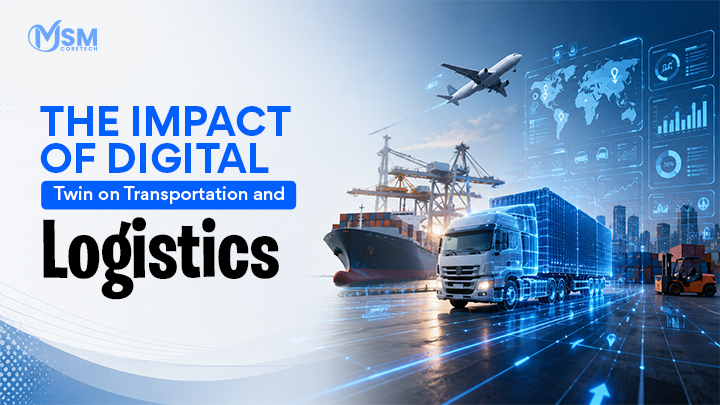
Transportation and logistics companies need to deliver goods quickly, lower costs, and keep customers updated about their shipments. To do this, many businesses are using Digital Twin technology. A Digital Twin is a digital copy of a real object, such as a vehicle, warehouse, or supply chain. It collects real-time information from sensors, GPS, and other connected devices to show what is happening in the real world. This helps businesses track their operations, find problems early, and make better decisions.
Digital Twins are becoming more important because supply chains are now more complicated than before. Companies need a clear view of their vehicles, warehouses, and deliveries to avoid delays and make their work more efficient. Instead of waiting for problems to happen, they can use Digital Twins to find possible issues early, test different solutions, and choose the best option before it affects their business.
Digital Twins also help improve everyday operations. They provide real-time tracking, better route planning, predictive maintenance, and smarter warehouse management. This helps managers quickly find problems, reduce fuel usage, and improve delivery speed. As a result, businesses save time, lower costs, and offer a better experience to their customers. As more companies adopt digital technology, Digital Twins are becoming an important tool for creating smarter, faster, and more reliable transportation and logistics systems.
Statistics
- According to MarketsandMarkets, the global Digital Twin market is expected to grow from USD 21.14 billion in 2025 to USD 149.81 billion by 2030, at a CAGR of 47.9%.
- According to Grand View Research, the global Digital Twin market was valued at USD 35.08 billion in 2025 and is expected to grow significantly during the forecast period due to increasing adoption across industries, including transportation and logistics.
What Is a Digital Twin?
A Digital Twin is a digital version of a real object, system, or process. It shows what is happening in real time by using live data from physical assets like trucks, warehouses, delivery vehicles, or the entire supply chain. Instead of checking everything by hand, businesses can use a Digital Twin to watch their operations, find problems early, and fix them before they become bigger.
A Digital Twin works by collecting data from physical assets through connected sensors and smart devices. This data is sent to a cloud platform, where it is processed and shown in a digital model. The model keeps updating with the latest information, so businesses can always see the current condition of their operations. AI and data analytics also study the data to predict future problems, test different situations, and suggest the best ways to improve performance.
Several important parts work together to make a Digital Twin system useful. Physical assets are the real things, such as vehicles, warehouses, machines, and equipment. IoT sensors collect important information like location, speed, fuel use, temperature, and the condition of the equipment. Real-time data keeps the digital copy updated with the latest information, so businesses can make quick and better decisions. AI and analytics study the data to find useful patterns, predict when maintenance is needed, choose better routes, and improve daily operations. Cloud platforms safely store and manage all the data, making it easy for teams to access it anytime and from anywhere.
In transportation and logistics, Digital Twins help companies see their operations more clearly, reduce delays, lower costs, and make better business decisions. By using real-time information and smart predictions, businesses can manage their vehicles, warehouses, and supply chains more efficiently while providing better service to their customers.
Read Also: Cost To Build a Logistics App Like Uber Freight
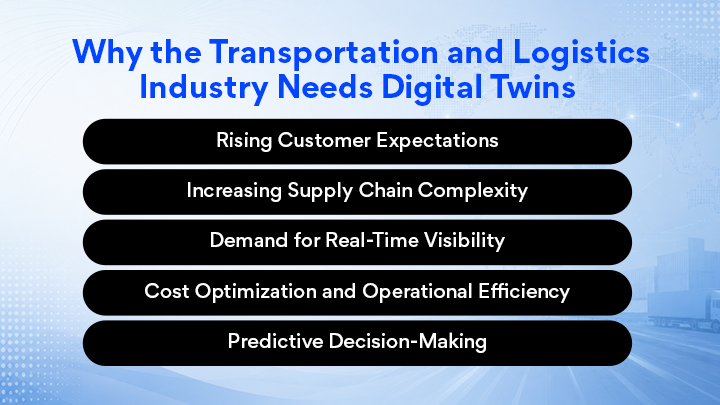
Why the Transportation and Logistics Industry Needs Digital Twins
The transportation and logistics industry is changing very fast. Customers want their orders delivered quickly, businesses have to manage more complex supply chains, and companies need better ways to track their daily operations. Old systems often cannot show complete information or solve problems in real time. This is where Digital Twin technology helps. A Digital Twin creates a virtual copy of vehicles, warehouses, equipment, or even the entire supply chain using real-time data. It allows businesses to monitor everything easily, find problems before they happen, and make better decisions. Many businesses also partner with a logistics app development company to build smart logistics solutions that use Digital Twin technology to improve efficiency and provide real-time tracking and monitoring.
Rising Customer Expectations
Today, customers expect their orders to arrive quickly and on time. They also want to track their shipments at every step. A Digital Twin helps logistics companies provide real-time tracking and more accurate delivery updates. If there is a delay because of traffic, bad weather, or any other problem, businesses can quickly choose a better route or solution. This helps improve customer satisfaction and builds trust.
Increasing Supply Chain Complexity
Today’s supply chains include suppliers, manufacturers, warehouses, transport companies, and customers in different locations. Managing all these parts can be challenging. A Digital Twin brings data from different systems into one virtual model. This gives businesses a clear view of the entire supply chain. It also helps them find delays, reduce problems, and improve teamwork between different departments.
Demand for Real-Time Visibility
Without real-time updates, businesses may not know about problems until they become bigger. Digital Twins collect live data from IoT sensors, GPS trackers, and other connected devices all the time. This helps managers see the location and status of vehicles, shipments, warehouses, and equipment on one dashboard. They can quickly solve problems, reduce delays, and keep daily operations running smoothly.
Cost Optimization and Operational Efficiency
Fuel costs, transportation expenses, vehicle repairs, and warehouse operations can reduce business profits. Digital Twins help companies find simple ways to save money. They can suggest better delivery routes, improve how vehicles are used, make better use of warehouse space, and detect maintenance needs before equipment breaks down. This helps lower operating costs, increase productivity, and use resources more efficiently.
Predictive Decision-Making
With Digital Twins, businesses do not have to wait for problems to happen before taking action. They can use past and real-time data to predict what may happen in the future. For example, they can find out when a vehicle may need maintenance, estimate possible delivery delays, and test different situations before making a decision. This helps businesses reduce risks, avoid expensive problems, and plan their work better. As a result, transportation and logistics companies become more efficient, reliable, and ready for future challenges.
Read Also: How To Develop An App Like Amazon Flex: A Courier Delivery App
How Digital Twin Technology Works in Transportation and Logistics
Digital Twin technology creates a virtual copy of real transportation and logistics operations. This digital model collects live data from vehicles, warehouses, shipments, and equipment, so businesses can see everything in one place. Instead of waiting for problems to happen, companies can monitor their operations in real time, find possible issues early, and make better decisions. During the app development process, Digital Twin features can also be added to transportation and logistics apps. These features provide real-time tracking, smart data analysis, and better control over daily operations. As a result, businesses can improve delivery performance, reduce costs, and keep their operations running smoothly.
Data Collection from Connected Devices
The first step is collecting data from connected devices like IoT sensors, GPS trackers, RFID tags, cameras, and telematics systems. These devices are placed in trucks, delivery vehicles, warehouses, and shipping containers. They keep collecting important information such as the vehicle’s location, fuel usage, engine condition, cargo temperature, traffic updates, and delivery status. This live data helps create the Digital Twin and keeps the virtual model updated with what is happening in the real world.
Creating a Virtual Model
After the data is collected, the system creates a virtual copy of the real assets. This virtual model can represent a single vehicle, a warehouse, or even the entire supply chain. Since it receives regular updates from connected devices, it changes whenever something changes in the real world. This allows businesses to monitor their operations and understand how everything is working without visiting every location.
Real-Time Monitoring
One of the biggest benefits of Digital Twin technology is real-time monitoring. It lets managers see vehicles, deliveries, drivers, and warehouse work from one dashboard. If a delivery is late, a vehicle has a problem, or the warehouse is working slowly, the system shows the issue right away. This helps the team fix problems quickly, avoid more delays, and keep customers updated with the correct information.
AI-Powered Analysis and Simulation
Digital Twin technology also uses Artificial Intelligence (AI) to understand the collected data and give helpful insights. AI can tell when a vehicle may need maintenance, estimate delivery times, find traffic delays, and suggest better delivery routes. Businesses can also test different ideas in the virtual model before making real changes. For example, they can check how new delivery routes or a different warehouse layout will affect their work without disturbing daily operations.
Continuous Optimization
Digital Twin technology keeps improving as it collects new data. It updates the virtual model all the time and suggests better ways to manage transportation and logistics operations. Businesses can choose better delivery routes, save fuel, improve warehouse work, reduce maintenance costs, and make faster decisions. As time goes on, these regular improvements help businesses work more smoothly, become more reliable, and stay ready for future challenges.
Read Also: Car Rental App Development Guide
Key Benefits of Digital Twin in Transportation and Logistics
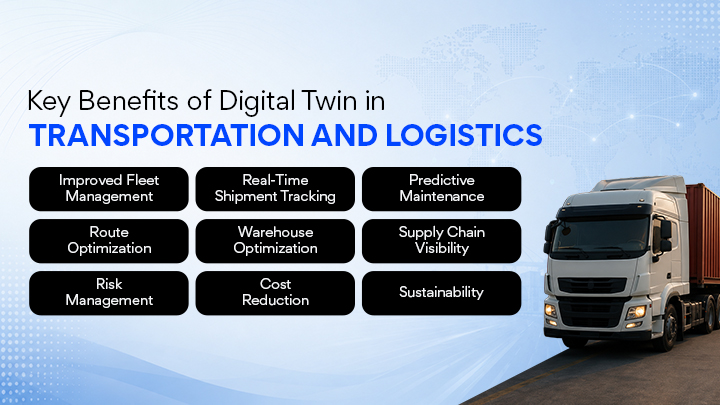
Digital Twin technology is helping transportation and logistics companies work smarter and more efficiently. It creates a virtual copy of vehicles, warehouses, equipment, and the entire supply chain using data from IoT sensors, GPS, and other connected devices. This helps businesses monitor everything in real time, make better decisions, reduce costs, and provide better customer service. Below are some of the main benefits of Digital Twin technology in transportation and logistics.
Improved Fleet Management
Managing many vehicles is not easy without real-time information. A Digital Twin helps businesses monitor the condition and performance of every vehicle from a single platform. It can track fuel usage, engine condition, tire pressure, and driver behavior. It also alerts businesses when a vehicle needs maintenance before a problem happens. This helps prevent unexpected breakdowns, reduces downtime, keeps vehicles running smoothly, and improves overall fleet performance. Businesses investing in fleet management app development can integrate Digital Twin technology to gain better visibility, improve operational efficiency, and make smarter fleet management decisions.
Real-Time Shipment Tracking
Customers want to know where their shipments are at every step of the delivery process. A Digital Twin gives businesses a clear view of shipments from the warehouse to the customer’s location. It helps track the current location of goods, delivery progress, and any possible delays in real time. This allows businesses to give customers accurate delivery updates and quickly fix transportation problems. As a result, customers enjoy better service and trust the business more.
Predictive Maintenance
Unexpected vehicle or equipment breakdowns can delay deliveries and increase repair costs. A Digital Twin keeps checking the condition of vehicles and equipment all the time. It finds small issues before they turn into big problems. This helps businesses repair or replace parts at the right time instead of waiting for a breakdown. As a result, repair costs are lower, equipment lasts longer, and logistics operations continue without interruptions.
Route Optimization
Choosing the right delivery route helps save both time and fuel. A Digital Twin checks live traffic, weather updates, road closures, and delivery schedules. It then suggests the fastest and best route for drivers. This helps drivers avoid traffic and delays, reduces fuel costs, speeds up deliveries, and makes transportation more efficient.
Warehouse Optimization
A warehouse is an important part of the logistics process, and a Digital Twin helps it work better. It creates a virtual copy of the warehouse to track inventory, storage space, and daily activities. This helps businesses organize products properly, speed up picking and packing, and use available space more efficiently. As a result, work becomes faster, productivity increases, and warehouse operations run more smoothly.
Supply Chain Visibility
A Digital Twin helps businesses see everything happening in their supply chain in one place. Companies can track products as they move from suppliers to warehouses, then to delivery vehicles, and finally to customers. If there is a delay or any problem, managers can quickly find the cause and fix it. This also improves communication between suppliers, warehouses, and delivery teams, helping products reach customers faster and on time.
Risk Management
Transportation and logistics businesses can face unexpected problems like bad weather, heavy traffic, vehicle breakdowns, or supply chain delays. A Digital Twin helps companies test these situations before they actually happen. Businesses can try different solutions, create backup plans, and reduce the impact of these problems. This helps keep operations running smoothly even when unexpected issues occur.
Cost Reduction
Digital Twin technology helps businesses save money in many ways. It finds better delivery routes, which reduces fuel costs. It also predicts vehicle and equipment problems early, helping businesses fix them before they become expensive repairs. This lowers maintenance costs and keeps operations running smoothly. Digital Twin also helps companies use their vehicles, staff, and other resources more efficiently. Businesses that are planning new logistics software can use Digital Twin data to estimate app development costs and future operating expenses more accurately. This helps them make better business decisions and increase profits.
Sustainability
Digital Twin technology also helps logistics companies become more environmentally friendly. It chooses better routes, which reduces fuel usage and lowers carbon emissions. It also improves vehicle performance and helps warehouses use energy more efficiently. By reducing wasted fuel, energy, and other resources, Digital Twin supports greener logistics operations while allowing businesses to maintain high performance and efficiency.

Real-World Use Cases of Digital Twin in Transportation and Logistics
Digital Twin technology is helping transportation and logistics companies work in a smarter way. It creates a digital copy of vehicles, warehouses, equipment, and the entire supply chain. This digital copy shows real-time data, helping businesses track operations, find problems early, and make better decisions. Here are some common ways Digital Twin technology is used in the logistics industry.
Fleet Performance Monitoring
A Digital Twin makes it easier to manage a large number of vehicles. It collects real-time data from vehicles through IoT sensors and GPS tracking. Fleet managers can see important details like fuel usage, engine condition, tire pressure, vehicle speed, and driver behavior in one place. If the system finds a possible problem, it sends an alert before the vehicle breaks down. This helps reduce repair costs, improve vehicle performance, avoid delays, and keep deliveries on schedule.
Smart Warehouse Management
Digital Twin technology helps make warehouses smarter and easier to manage. It creates a virtual copy of the warehouse, allowing businesses to track inventory, storage space, machines, and employee activities in real time. Managers can easily find products that are selling slowly, arrange shelves in a better way, and reduce unnecessary movement inside the warehouse. This helps process orders faster, manage inventory more accurately, and improve overall productivity without increasing operating costs.
Supply Chain Simulation
Supply chains can face many unexpected problems, such as late supplier deliveries, traffic delays, or sudden changes in customer demand. A Digital Twin helps businesses test different situations before making real decisions. For example, a company can check how changing a delivery route or choosing a different supplier will affect delivery time and costs. This helps businesses prepare for problems, reduce risks, and make better planning decisions.
Cold Chain Logistics Monitoring
Some products, like medicines, vaccines, milk products, and frozen food, must stay at the right temperature while they are being transported. A Digital Twin keeps checking the temperature, humidity, and storage conditions during the entire journey. If the temperature goes above or below the safe level, it sends an alert right away. This helps businesses keep products safe, reduce waste, and follow industry quality standards.
Port and Terminal Operations
Ports and cargo terminals manage thousands of containers every day. A Digital Twin gives operators a live view of where containers are, how cranes are working, the storage areas, and loading schedules. This helps managers quickly find delays, use equipment more efficiently, and reduce waiting time for ships and trucks. As a result, port operations become faster, smoother, and more efficient.
Airport and Cargo Management
Digital Twins help air cargo companies manage cargo handling, aircraft loading, baggage movement, and warehouse work more easily. They allow businesses to track every shipment from the time it arrives until it is delivered. This technology also helps plan resources better, improve schedules, and reduce delays caused by equipment problems or other operational issues. As a result, shipments reach their destination faster and more safely.
Last-Mile Delivery Optimization
The last step of delivery, from the warehouse to the customer, is usually the most expensive part of the delivery process. Digital Twin technology helps businesses check traffic, weather, delivery routes, and vehicle locations in real time. It suggests the best routes and quickly updates delivery plans if road conditions change. This helps reduce fuel costs, deliver orders faster, and improve customer satisfaction. Businesses can also use this data to make future deliveries faster and improve their overall logistics operations.
Read Also: Top 10 Handyman App Development Companies
Technologies Powering Digital Twin Solutions
Digital Twin technology depends on several advanced technologies that work together to create a virtual model of vehicles, warehouses, equipment, and supply chain operations. These technologies collect real-time information, analyze it, and help businesses make better decisions.
Internet of Things (IoT)
The Internet of Things (IoT) connects real-world devices like trucks, delivery vans, containers, and warehouse equipment using smart sensors. These sensors collect important information such as location, speed, fuel usage, temperature, and engine condition. They send this information to the Digital Twin in real time. This helps businesses track their vehicles and equipment at all times and quickly fix problems before they become bigger.
Artificial Intelligence (AI)
Artificial Intelligence (AI) helps Digital Twins understand a large amount of data and turn it into useful information. It can find patterns, predict delivery delays, suggest better routes, and improve delivery planning. AI also helps logistics managers make faster and smarter decisions, so they can solve problems before they affect daily operations.
Machine Learning (ML)
Machine Learning (ML) is a part of Artificial Intelligence (AI) that learns from past data and gets better over time. It helps predict when a vehicle may need repairs, estimates delivery times, and finds unusual activities in logistics operations. The more data it collects, the more accurate it becomes, helping businesses make better and smarter decisions.
Big Data Analytics
Transportation and logistics companies collect a large amount of data every day. Big Data Analytics studies this data and finds useful patterns and trends. It helps businesses understand customer demand, improve fleet performance, reduce fuel costs, and make better decisions based on real data instead of guessing.
Cloud Computing
Cloud Computing gives Digital Twin systems the storage and computing power they need to work properly. It lets businesses see real-time data from anywhere using a secure internet connection. It also makes it easy to store, update, and share data between different teams and business locations.
Edge Computing
Edge Computing processes data near the place where it is created instead of sending all the data to the cloud. This helps reduce delays and allows Digital Twins to respond much faster. It is very useful for connected vehicles and warehouses, where quick decisions are important for safety and smooth operations.
GPS and Telematics
GPS and telematics help businesses know where their vehicles are in real time. They also provide information about driving habits, travel routes, fuel use, and engine condition. This keeps the Digital Twin updated with the latest data. As a result, businesses can manage their fleet better, track shipments easily, and improve their transportation operations.
5G Connectivity
5G provides a fast and stable internet connection for connected devices. It helps Digital Twins receive and process large amounts of data very quickly with almost no delay. This makes real-time monitoring more accurate, supports connected fleets, and helps transportation and logistics companies work more efficiently.
Read Also: Cost To Develop A Restaurant App Like OpenTable
Future Trends of Digital Twin in Transportation and Logistics
Digital Twin technology is improving very fast. In the coming years, it will play a bigger role in transportation and logistics. As more businesses use AI, automation, IoT, and smart technologies, Digital Twins will help them work better, save money, and make quicker decisions. Here are some important trends that will shape the future of Digital Twins.
AI-Powered Autonomous Logistics
Artificial Intelligence (AI) and Digital Twins will work together to support self-driving trucks, delivery vehicles, drones, and robots. A Digital Twin uses real-time data to help these systems find the best routes, avoid traffic, and deliver goods faster. This makes transportation and delivery safer, quicker, and more dependable.
Hyperconnected Supply Chains
In the future, supply chains will be more connected than ever. A Digital Twin will collect data from trucks, warehouses, suppliers, and customers in one place. This gives businesses a clear view of the entire supply chain. They can easily track every step, find delays quickly, and fix problems before they affect deliveries.
Digital Twins for Smart Cities
As smart cities continue to grow, Digital Twins will become more important for managing transportation. They can track traffic, public transport, road conditions, and delivery routes in real time. This helps city planners reduce traffic jams, improve road safety, and make transportation faster and more efficient for both businesses and the public.
Advanced Predictive Analytics
In the future, Digital Twins will become even smarter with advanced predictive analytics. They will not only show what is happening now but also help businesses know what may happen next. Companies can find possible vehicle problems early, predict delivery delays, and schedule maintenance before a breakdown happens. This helps reduce downtime and keeps operations running smoothly.
Carbon Footprint Optimization
Many logistics companies want to reduce their impact on the environment. Digital Twins help by tracking fuel usage, vehicle emissions, and energy consumption. They also suggest better delivery routes and help businesses use their vehicles more efficiently. This lowers fuel costs and reduces the company’s carbon footprint.
Robotics and Warehouse Automation Integration
Many warehouses now use robots to pick, pack, sort, and manage products. A Digital Twin helps track these robots in real time and checks how well they are working. It also helps improve the warehouse layout and finds better ways to increase productivity. This helps businesses process orders faster, reduce mistakes, and make better use of warehouse space.
As these technologies continue to improve, Digital Twins will become an important part of transportation and logistics. Businesses that start using this technology today will be better prepared for future challenges, provide better customer service, and stay ahead of their competitors.
Read Also: Cost to Develop a Doctor Booking App Like HealthTap
How MSM CoreTech Can Help with Digital Twin Development
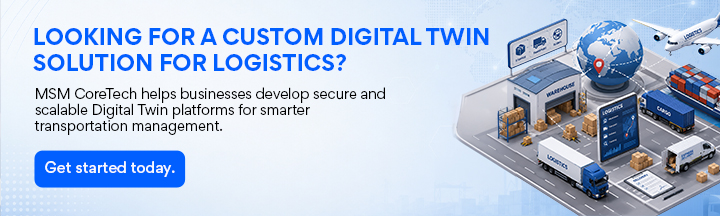
Building a Digital Twin solution needs the right technology, proper planning, and an experienced team. MSM CoreTech is an experienced app development company that helps transportation and logistics businesses build Digital Twin solutions to improve daily work, lower costs, and increase overall efficiency.
Our team creates custom Digital Twin solutions based on your business needs. Whether you manage a fleet of vehicles, a warehouse, a supply chain, or a delivery business, we build a solution that matches your goals and can grow as your business grows.
We also help connect your vehicles, machines, sensors, and other smart devices through IoT integration. This allows you to collect real-time data, monitor your operations, find problems early, and make better and faster business decisions.
To provide better business insights, we use AI and advanced analytics. These technologies study large amounts of data, predict when maintenance is needed, find better delivery routes, improve warehouse operations, and detect possible problems before they become expensive.
Our team builds secure cloud-based Digital Twin platforms that safely store and manage data. With cloud technology, you can access your Digital Twin from anywhere, and the platform can easily grow as your business expands.
We also create real-time monitoring dashboards that are simple and easy to understand. These dashboards let you see fleet performance, shipment status, warehouse activities, and supply chain operations in one place.
After development, MSM CoreTech continues to provide support and maintenance to keep your Digital Twin solution secure, updated, and working without issues. With our complete Digital Twin development services, businesses can easily use this technology to improve transportation and logistics operations and achieve long-term success.
Conclusion
Digital Twin technology is changing the transportation and logistics industry by helping businesses work smarter and faster. It creates a virtual copy of vehicles, warehouses, and supply chain operations, allowing companies to monitor everything in real time. This leads to better fleet management, faster deliveries, fewer delays, and improved use of resources. Businesses can also identify problems early, reduce downtime, and make better decisions based on accurate data.
In the long run, Digital Twin solutions help companies save money by lowering fuel costs, reducing maintenance expenses, and improving overall operational efficiency. They also support better planning, increase customer satisfaction, and make supply chains more reliable. As the logistics industry becomes more competitive, investing in Digital Twin technology can help businesses stay ahead and adapt to changing market demands.
If you are planning to build a Digital Twin solution for your transportation or logistics business, MSM CoreTech can help. Our team develops secure, scalable, and customized Digital Twin solutions based on your business needs. From IoT integration and cloud platforms to real-time dashboards and AI-powered analytics, we provide complete development services to help you improve operations and achieve long-term growth.
FAQs
A Digital Twin is a virtual model of physical assets, such as vehicles, warehouses, or supply chains. It uses real-time data to monitor performance, predict issues, and improve operations.
Digital Twin technology tracks vehicle performance, fuel usage, and maintenance needs in real time. This helps reduce downtime, improve efficiency, and extend the life of vehicles.
Digital Twin helps businesses improve shipment tracking, optimize routes, reduce operating costs, enhance warehouse management, predict maintenance, and make better business decisions.
A Digital Twin solution typically uses IoT sensors, Artificial Intelligence (AI), Machine Learning (ML), cloud computing, big data analytics, GPS, and real-time monitoring tools.
MSM CoreTech develops customized Digital Twin solutions for transportation and logistics businesses. We provide IoT integration, AI-powered analytics, cloud-based platforms, real-time dashboards, and ongoing support to help businesses improve efficiency and grow.

Related Posts
10 Key Applications of AI in the Food Industry (2026)
Walk into any restaurant kitchen, grocery warehouse, or food delivery control room today, and you will find something quietly running...
Read More

How To Develop An App Like YouTube Music: A Complete Guide
Music is now a part of our everyday life. People listen to songs while getting ready in the morning, working,...
Read More
Must-Have Features in Fintech Apps & Digital Financial Platforms
Think about how often you use your phone to pay bills, send money, shop online, or check your bank balance....
Read More


 Verified Review




 +44 7427829444
 71-75, Shelton Street, Covent Garden, London, United Kingdom, WC2H 9JQ